+86 15338350382
Blogs: Industry Sharing

Send Message

X
Alcro Support
How to Prepare Good Technical Drawings for CNC Machining?

By Alcro

10 min read

Published Dec 15 2025
How to Prepare Good Technical Drawings for CNC Machining?

Preparing technical drawings for CNC machining is a crucial step in the manufacturing process. It serves as the blueprint that guides the machine tools to create precise parts and components. When embarking on this task, there are several key aspects you need to be aware of to ensure the accuracy, efficiency, and success of your CNC machining project.

When preparing technical drawings for CNC machining, it is important to understand the intricacies involved in the process to ensure accuracy, efficiency, and safety. CNC machining is a highly precise method of manufacturing that relies heavily on detailed and accurate drawings to produce parts and components. This guide will provide you with a comprehensive overview of what you need to know when preparing technical drawings for CNC machining, covering essential concepts, best practices, and common pitfalls to avoid.

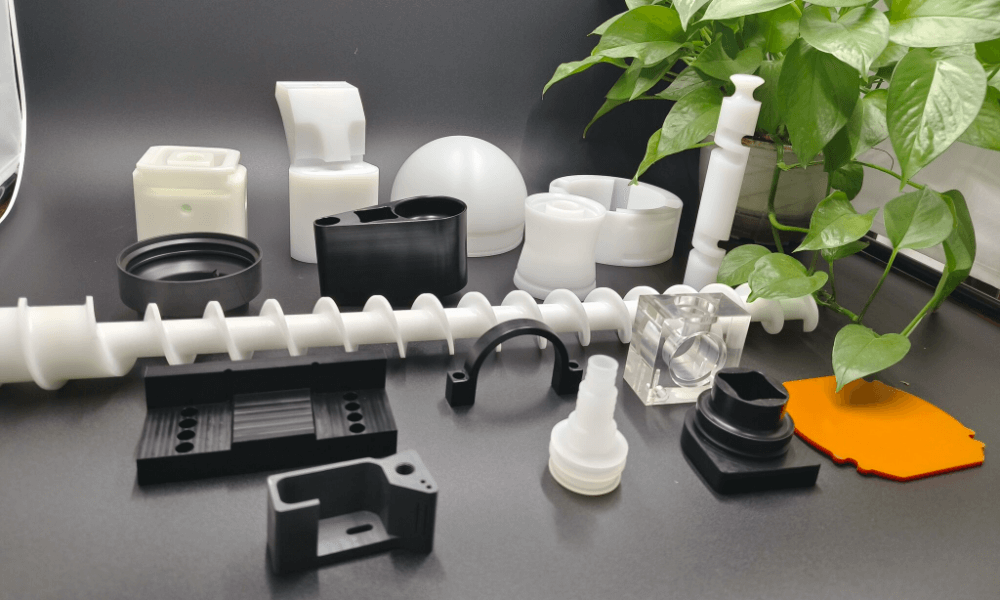
      double-fish-mold.jpg      

Understanding the Basics of CNC Machining

The Importance of Technical Drawings

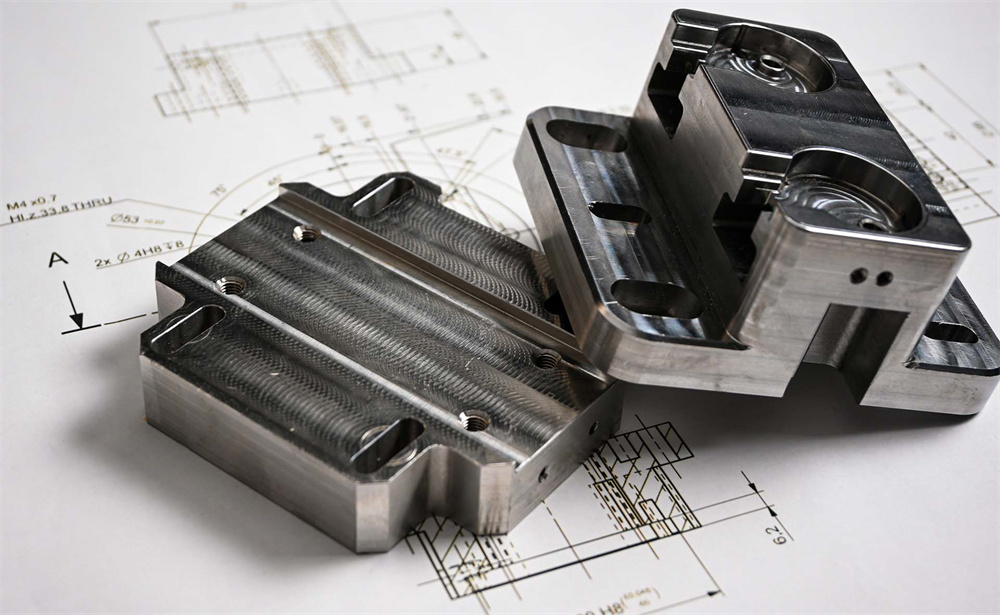
Technical drawings are the blueprint for any manufacturing process, and they are especially critical in CNC machining. These drawings provide the machine with precise instructions on how to shape, cut, and assemble materials. They include detailed dimensions, tolerances, materials specifications, and other essential information that guides the entire manufacturing process.

Types of Technical Drawings

There are various types of technical drawings used in CNC machining, including:

  • Orthographic Views: These drawings represent an object as if viewed from the front, top, and side. They are essential for understanding the shape and size of the part.
  • Sectional Views: These drawings show the internal structure of a part, helping to clarify complex geometries and assemblies.
  • Detail Drawings: These drawings focus on specific areas of a part, providing additional information on features such as threads, holes, and surfaces.
  • Assembly Drawings: These drawings show how multiple parts fit together to form a complete assembly.

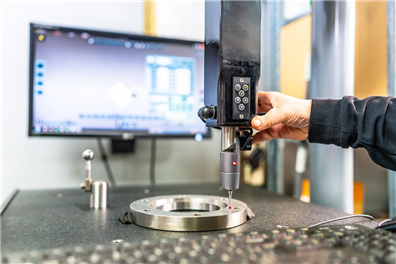
cnc-machined-part.jpg             

Key Elements to Include in CNC Machining

Dimensions and Tolerances

Dimensions are the measurements of an object’s size, while tolerances specify the acceptable range of variation from the nominal dimension. In CNC machining, precise dimensions and tight tolerances are crucial to ensure that parts fit together correctly and function as intended.

  • Dimensioning Conventions: Follow standard dimensioning conventions, such as using a leader line and arrow to indicate the dimension, and placing dimensions outside the view area to avoid clutter.
  • Tolerance Zones: Clearly indicate tolerance zones for each dimension. This helps the machinist understand how closely to adhere to the specified measurements.

Drawing Conventions and Symbols

Technical drawings use a series of conventions and symbols to convey information efficiently. Familiarize yourself with the following:

  • Lines and Arrows: These indicate dimensions, cutting planes, and other important features.
  • Hatching and Cross-Hatching: These patterns are used to represent different materials or to indicate the direction of grain in wooden objects.
  • Pictograms and Abbreviations: These simplify complex information, making it easier to understand.

Materials and Finishes

Specifying the correct material and finish is essential for the function and appearance of the final product.

  • Material Selection: Choose a material that meets the part’s functional requirements, such as strength, durability, and machinability. Common materials include metals like aluminum, steel, and titanium, as well as plastics like nylon and acrylic.
  • Surface Finishes: Specify the desired surface finish, such as a polished, matte, or textured surface. This affects the part’s aesthetics, functionality, and resistance to wear and corrosion.

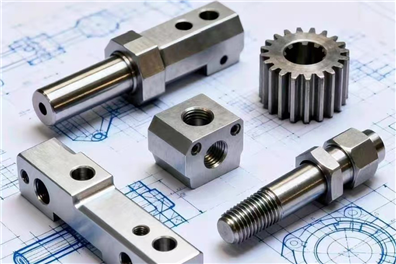
      custom-parts-for-motor-vehicle.jpg      

Tolerances and Accuracy

Determine the tolerances and accuracy requirements for your project. Tolerances refer to the acceptable variation in dimensions and other features, while accuracy refers to the degree of closeness to the desired value.

  • Dimensional Tolerances: Specify the acceptable range for each dimension.
  • Geometric Tolerances: Define the allowable deviation in shape and orientation.
  • Surface Finish: Specify the desired surface roughness or texture.

Geometric Dimensions and Tolerances

Geometric Dimensions and Tolerances (GD&T) is a system used to define and communicate geometric characteristics and tolerances in technical drawings. It helps to ensure that parts are manufactured to the correct shape, size, and orientation.

  • Symbols and Notations: Familiarize yourself with GD&T symbols and notations, such as parallelism, perpendicularity, and concentricity. These symbols provide additional precision and control over the manufacturing process.
  • Datum Reference Frames: Use datum reference frames to establish a consistent and repeatable basis for measuring geometric characteristics.

Detailed Considerations in CNC Machining

Features and Machining Operations

Identify and clearly indicate all the features that need to be machined, including holes, pockets, slots, and threads.

  • Machining Operations: Specify the required machining operations, such as milling (used for complex shapes and features), drilling (used for creating holes), turning (used for cylindrical parts), and grinding (used for achieving a smooth surface finish). This helps the machinist understand the sequence of operations and plan the manufacturing process.
  • Tool Paths: In some cases, it may be helpful to include tool path information to guide the machinist on how to efficiently machine the part.

Annotations and Notes

Annotations and notes provide additional information that means very important to your parts. This includes:

  • Material Notes: Specify the material and any special requirements.
  • Machining Notes: Provide information about the machining processes and operations.
  • Surface Finish Notes: Specify the desired surface finish and any related instructions.
  • General Notes: Include any other relevant information that might be useful to the machinist.

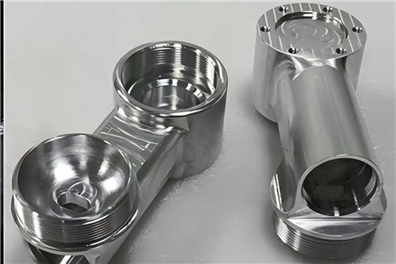
why-do-we-modify-our-motorcycles.jpg             

Assembly and Fit-Up Information

If the technical drawing includes an assembly, provide clear information on how the parts fit together.

  • Assembly Sequences: Outline the assembly sequence, indicating which parts should be assembled first and how they should be aligned.
  • Fit-Up Tolerances: Specify fit-up tolerances to ensure that parts fit together correctly and function as intended.


Best Practices for Preparing Technical Drawings

Converting the Drawing to a Suitable Format

Save your drawing in a format that is compatible with your CNC machine’s software. Common formats include:

  • DWG/DXF: Used by AutoCAD and other CAD software.
  • IGES/STEP: Used for 3D models and interoperability between different CAD systems.
  • STL: Used for 3D printing and some CNC machining applications.

Use CAD Software

Computer-aided design (CAD) software is a powerful tool for creating technical drawings. It allows you to create precise, scalable, and editable drawings that can be easily shared and modified.

  • Choose the Right CAD Software: Select a CAD software that meets your needs, whether it’s a professional-grade software like SolidWorks or a more accessible option like AutoCAD.
  • Utilize CAD Features: Familiarize yourself with the features of your CAD software, such as layering, dimensioning tools, and rendering capabilities. These features can help you create more accurate and detailed drawings.

Follow Industry Standards

Adhering to industry standards ensures that your technical drawings are consistent, understandable, and interchangeable with drawings created by other professionals.

  • ISO Standards: Follow International Organization for Standardization (ISO) standards for technical drawings, such as ISO 128-1 for line conventions and ISO 13715 for geometric dimensioning and tolerancing.
  • ANSI Standards: In the United States, follow American National Standards Institute (ANSI) standards for technical drawings, such as ANSI Y14.5M for geometric dimensioning and tolerancing.

iso-9001-accredited.jpg             

Use Clear and Concise Notation

Technical drawings should be easy to understand, even for those who are not familiar with the specific manufacturing process.

  • Avoid Ambiguity: Use clear and precise notation to avoid any ambiguity or confusion. For example, use leader lines and arrows to clearly indicate dimensions, and use consistent symbols and notations for geometric characteristics.
  • Use Legends and Callouts: Include legends and callouts to explain any symbols or abbreviations used in the drawing. This helps to ensure that everyone can understand the drawing, regardless of their level of expertise.

Common Pitfalls to Avoid in CNC Machining

Overlooking Tolerances

Neglecting to specify tolerances can lead to parts that are not interchangeable or do not fit together correctly.

  • Be Specific: Always specify tolerances for critical dimensions. Use plus/minus notation to indicate the acceptable range of variation.
  • Consider Fit and Function: When specifying tolerances, consider the part’s fit and function. Tighter tolerances may be necessary for critical features, while looser tolerances may be acceptable for less critical areas.

Ignoring Geometric Characteristics

Failing to specify geometric characteristics can lead to parts that are not manufactured to the correct shape or orientation.

  • Use GD&T Symbols: Use GD&T symbols to specify geometric characteristics such as parallelism, perpendicularity, and concentricity. This helps to ensure that parts are manufactured to the correct shape and orientation.
  • Be Consistent: Use consistent datum reference frames to establish a repeatable basis for measuring geometric characteristics. This helps to ensure that parts are manufactured to the same specifications each time.

rf-module-front-panel.jpg             

Omitting Assembly Information

Leaving out assembly information can lead to confusion and errors during the manufacturing process.

  • Provide Clear Assembly Instructions: Outline the assembly sequence, indicating which parts should be assembled first and how they should be aligned. Use exploded views if necessary to clarify the assembly process.
  • Include Fit-Up Tolerances: Specify fit-up tolerances to ensure that parts fit together correctly and function as intended. This helps to avoid assembly errors and ensures that the final product meets specifications.

Ignoring Material Properties

Not considering material properties can lead to parts that are not suitable for their intended application.

  • Understand Material Properties: Familiarize yourself with the properties of the materials you are using, such as their strength, machinability, and corrosion resistance. This helps to ensure that you choose the right material for the job.
  • Specify Material Specifications: Clearly specify the material specifications, including grade, alloy, and heat treatment. This helps to ensure that the correct material is used during manufacturing.

cnc-workshop.jpg           

Custom Manufacturing Was Never Easier, It’s The Heart of Modern Manufacturing. It has never been this accessible, precise, or adaptable. The technologies at our disposal have redefined what’s possible, allowing individuals and companies to create bespoke products that align perfectly with their visions. Whether you’re crafting a one-of-a-kind piece or a small production run, the flexibility and efficiency of custom manufacturing make it a powerful tool for any industry. 

We are a genuine in-house factory, provide you custom parts with exquisite craftsmanship and attentive service. We offer a wide range of precision CNC machining services, including milling, turning, EDM and surface finishing. No Middle Costs! We response quickly and directly to meet all your manufacturing needs. Any possibilities? Would you like to have a try?

Let's Build Something Amazing Together

Get Instant Quote

Driven by customer-first mindset, fast response and technical excellence, we are committed to being your reliable, long-term partner in custom manufacturing.
Contact Us

sophia@alcrocn.com

+86 15338350382

6th North Street, Xiagang Community, Chang'an Town, Dongguan City, Guangdong Province, China.

Newsletter
Stay up to date with the latest news, announcements and articles.
Copyright © Alcro Tech All rights reserved.