 +86 15338350382

 日本語
日本語 英語
英語 スペイン語
スペイン語 フランス語
フランス語 ロシア
ロシア イタリア語
イタリア語 ドイツ語
ドイツ語

 10 分間で読める発表 Jun 09 2026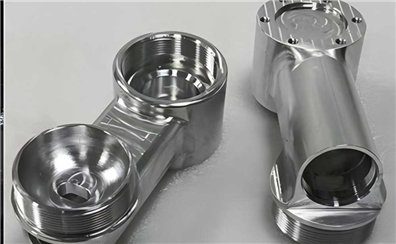
brief introduction
When life depends on the reliability of medical devices, there is no room for compromise. The medical device industry requires CNC machining services to deliver unparalleled precision, consistent quality, and full regulatory compliance. Whether you manufacture surgical instruments, diagnostic equipment, or implantable devices, the custom components you select can directly impact life and death.
This comprehensive guide examines how professional medical device CNC machining operates, why quality standards are paramount in the medical field compared to any other sector, and how to select the appropriate manufacturing partner for your medical device projects.
1. Why CNC machining of medical devices is unique
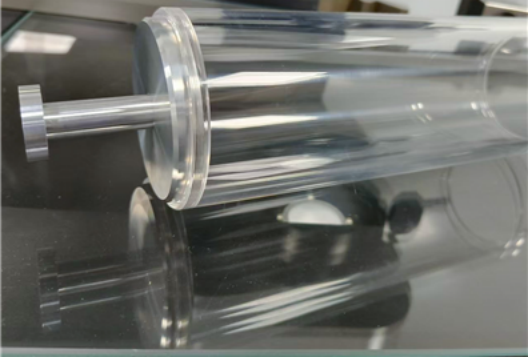
Medical device manufacturing differs from other industries in several critical aspects. When producing customized components for medical applications, every manufacturing decision is paramount.
Higher bet
Unlike automotive or consumer electronics components, medical device parts typically have a direct impact on human health. Failure of surgical instruments during procedures or premature degradation of implantable devices can lead to catastrophic consequences. This reality demands that CNC machining services prioritize quality above all other considerations.
The regulations impose strict requirements.
Medical devices must comply with stringent regulatory frameworks, including:
• FDA 21 CFR Part 820 (Quality System Regulations)
• ISO 13485 (Medical Device Quality Management System)
• ISO 14971 (Medical Device Risk Management)
• EU MDR (European Medical Device Regulation)
These regulations require documented traceability, controlled manufacturing processes, and validated production methods—all areas where specialized CNC machining excels.
Tolerance requirements are stricter
Many industries measure tolerances in units of one-hundredth of a millimeter, whereas medical device manufacturing typically requires tolerances at the level of one-thousandth of a millimeter. This level of precision ensures proper fit, functionality, and safety in critical applications.
2. Main Quality Standards and Certification
Understanding quality standards is crucial when procuring custom components for medical applications. Below are key considerations when selecting a CNC machining partner:
ISO 9001:2015 Certification
This fundamental quality management system standard demonstrates that manufacturers possess systematic processes to ensure consistent quality. For medical device applications, it provides a solid foundation for meeting stringent medical-specific requirements.
ISO 13485 is specifically designed for medical device manufacturers and incorporates the following additional requirements based on ISO 9001 principles:
• Risk management throughout the entire product lifecycle
• Verification and Confirmation Process
• Supplier Quality Management
• File and Record Control
Complete traceability of materials
Reputable medical device CNC machining suppliers maintain complete traceability from raw materials to finished products, including:
• Material certificates for all raw materials
• Furnace Number and Batch Number
• Material Inspection Record
• Process Parameter Documentation
3. Materials Used for CNC Parts of Medical Devices
Material selection significantly impacts the performance, biocompatibility, and regulatory compliance of medical devices. Professional CNC machining services offer a variety of medical-grade materials:
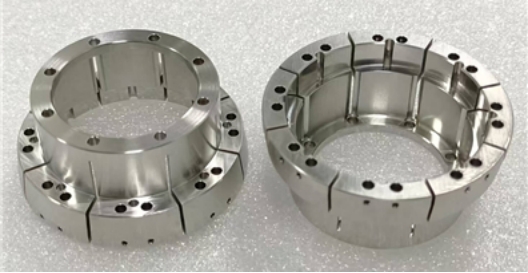
Surgical-grade stainless steel
the name of a shop | Common Applications | key property |
316L | Implants and medical devices | Excellent corrosion resistance and biocompatibility |
303 | precision component | Good workability and moderate corrosion resistance |
17-4 PH | Surgical Instruments | High strength and excellent corrosion resistance |
titanium alloy
Titanium Ti-6Al-4V (Grade 5) is the most widely used titanium alloy in medical device manufacturing. Its outstanding strength-to-weight ratio, corrosion resistance, and biocompatibility make it an ideal choice for the following applications:
• Orthopedic implants
• surgical instruments
• Diagnostic Equipment Components
special plastic
High-performance polymers offer unique advantages for specific medical applications:
• PEEK: Excellent chemical resistance and X-ray translucency, with good biocompatibility for implant applications
• Ultem (PEI): High strength, flame-retardant properties, and gamma-ray sterilization capability
• Delrin (POM): Excellent dimensional stability for precision components
4. Applications of CNC-machined parts in the medical field
CNC machining of medical devices serves nearly every sector of the healthcare industry. The following are the primary application areas:
surgical instruments
From surgical scalpels to forceps, surgical instruments require:
• Sharp edges maintained through strict tolerance control
• Tolerant to repeated sterilization cycles
• Ergonomic design for optimal physician comfort
• Comprehensive traceability of regulatory compliance
Customized components for surgical instruments typically feature complex geometries that can only be achieved with consistent precision through CNC machining.
diagnostic facilities
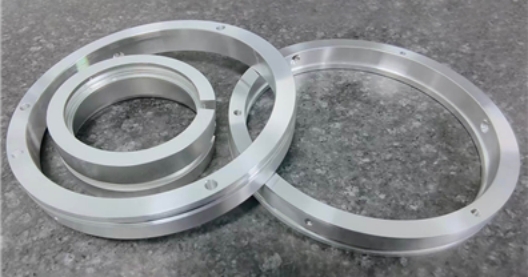
MRI machines, CT scanners, and ultrasound equipment rely on precision-engineered components for their operation:
• Sensor housing and detector array
• Longmen frame components and support structure
• Precision-machined collimator
• Cooling system components
Implantable devices
Orthopedic implants, dental implants, and cardiovascular devices require CNC machining of the highest quality.
• Hip and knee joint prostheses
• Spinal fusion hardware
• Dental implant abutment
• Pacemaker Components
These applications require not only precision but also surface treatments that promote proper bone integration and prevent infection.
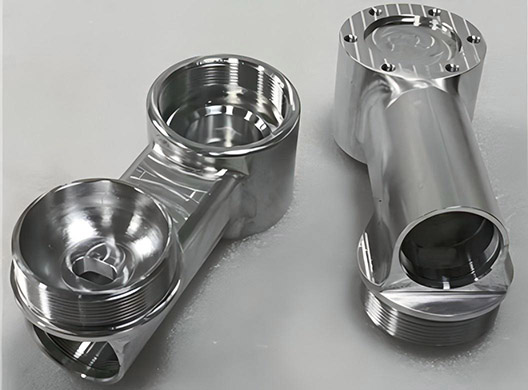
labware
Analysts, centrifuges, and blood analysis machines require:
• Corrosion-resistant components
• Precision-machined fluid channels
• Optical Installation System
• Sealed housing for pollution control
5. CNC Machining Process for Medical Devices
Understanding CNC machining processes enables medical device manufacturers to grasp the required precision for each component.
Design and Process Review
Your manufacturing partner should provide manufacturability design (DFM) feedback to optimize your CNC machining design while meeting functional requirements.
precision manufactured
Modern CNC machining services utilize the following technologies:
• 5-axis machining center – suitable for complex geometric shapes
• Swiss-type CNC lathe – designed for small-diameter precision parts
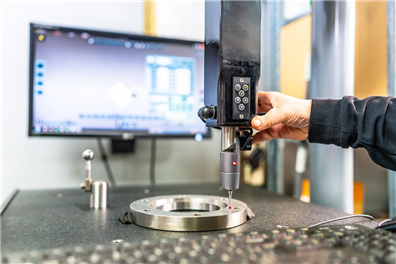
• Coordinate measuring machine (CMM) – Used for inspection
• Cleanroom capacity – Suitable for sensitive applications
surface preparation
Medical device components typically require specialized surface treatment:
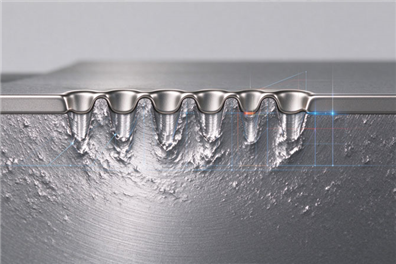
• Passivation – Enhances corrosion resistance
• Electrolytic polishing – smooth and easy-to-clean surface
• Anodizing – Used for aluminum parts
• Chemical nickel plating – Wear resistance
Quality Inspection and Documentation
Each custom part order must include:
• dimensional check report
• Material Certification
• Surface Treatment Verification
• Complete batch traceability documentation
6. How to Choose a CNC Processing Partner
When selecting an appropriate CNC machining supplier for medical devices, a thorough evaluation is required:
Assess its quality system
• Do they hold ISO 13485 certification?
• Can they provide a documented quality process?
• What is their historical defect rate?
• Do they provide a First Article Inspection (FAI) report?
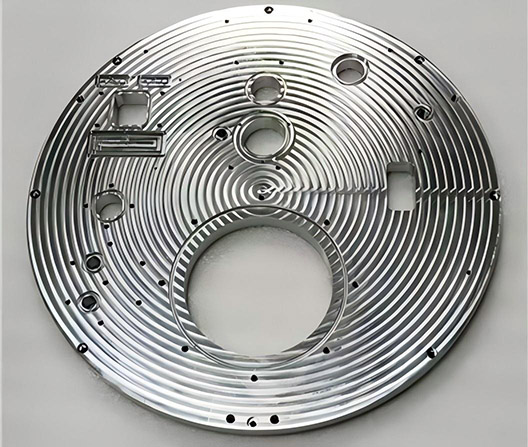
Assess its capabilities
Consider whether they can handle:
• The required tolerance (for medical device applications, it is typically ±0.005 mm or stricter)
• Your Material Requirements
• Your surface treatment specifications
• Your production requirements (from prototype to production)
Review their experience
Identify suppliers with proven experience in medical device manufacturing. Ask:
• Case studies or examples of similar projects
• References from other medical device companies
• Documentation on regulatory compliance experience
Conclusion
CNC machining of medical devices demands excellence in every dimension—precision, quality, documentation, and reliability. When selecting customized components for medical applications, no stakes are higher than these.
A qualified CNC machining partner offers not only manufacturing capabilities but also expertise in quality systems, regulatory compliance, and a genuine commitment to patient safety. By understanding the unique requirements of medical device manufacturing and collaborating with experienced professionals, you can ensure that your custom components meet the stringent standards demanded by the medical industry.
Are you ready to launch your medical device project?
Alcro specializes in precision CNC machining of medical devices, offering:
• Quality management system certified to ISO 9001:2015 standards
• Comprehensive material traceability and documentationhttp://admin.alcrocn.com/quality
• Precision machining with a tolerance of ±0.005 mm
• Extensive selection of medical-grade materials
• Comprehensive quality inspection and reporting
Contact us immediately for medical device manufacturing inquiries. Upload your CAD file to receive a detailed quote and DFM analysis.
Email: sophia@alcrocn.com
Phone: +86 15338350382
Website: https://www.alcrocn.com/en/contact
Frequently Asked Questions
Question: What tolerances can be achieved in CNC machining of medical devices?
Answer: Professional CNC machining of medical devices can achieve tolerances of ±0.005 mm (±0.0002 inches) or even stricter specifications, depending on specific requirements and equipment capabilities.
Question: What materials are commonly used for CNC components in medical devices?
Answer: Common materials include 316L stainless steel, titanium alloy (Ti-6Al-4V), medical-grade aluminum alloy (6061-T6), as well as high-performance polymers such as PEEK and Ultem.
Question: How long does CNC machining of medical devices typically take?
Answer: Delivery times vary depending on complexity and quantity. Simple prototype parts may be completed within 2–3 days, whereas complex production parts typically require 7–15 days.
Question: What documents should I expect from a medical device CNC machining supplier?
Answer: We request the following documents: material certificates, dimensional inspection reports, surface treatment validation records, and complete batch traceability documentation.



 sophia@alcrocn.com
 86 15338350382
 中国広東省東莞市長安鎮の一時帰休コミュニティ北六街。
