 +86 15338350382

 English
 Spanish
 French
 Russian
 Italian
 German
 Japanese

 7 min readPublished Jan 06 2026
The aerospace industry operates at the absolute edge of engineering possibility. Every component—whether hidden deep within an aircraft's structure or visible on the exterior—must meet uncompromising standards for precision, reliability, safety, and performance. A single micron of deviation can affect aerodynamics, structural integrity, or long-term durability.
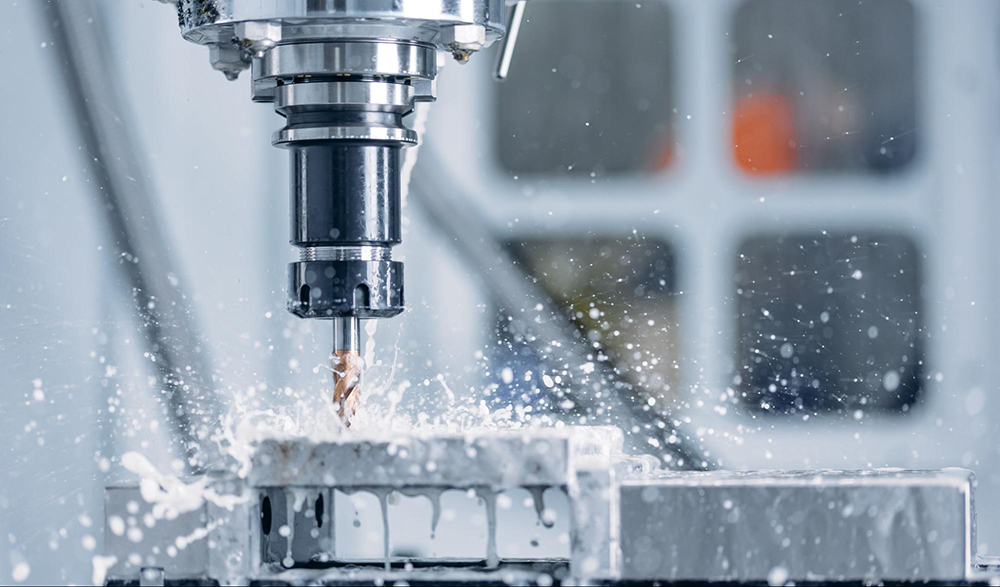
At the heart of this high-stakes manufacturing environment lies precision CNC machining. From complex structural components to visually critical aesthetic parts and ultra-tight tolerance components, CNC machining has become an indispensable pillar of modern aerospace manufacturing.
Why Precision Matters in Aerospace Manufacturing
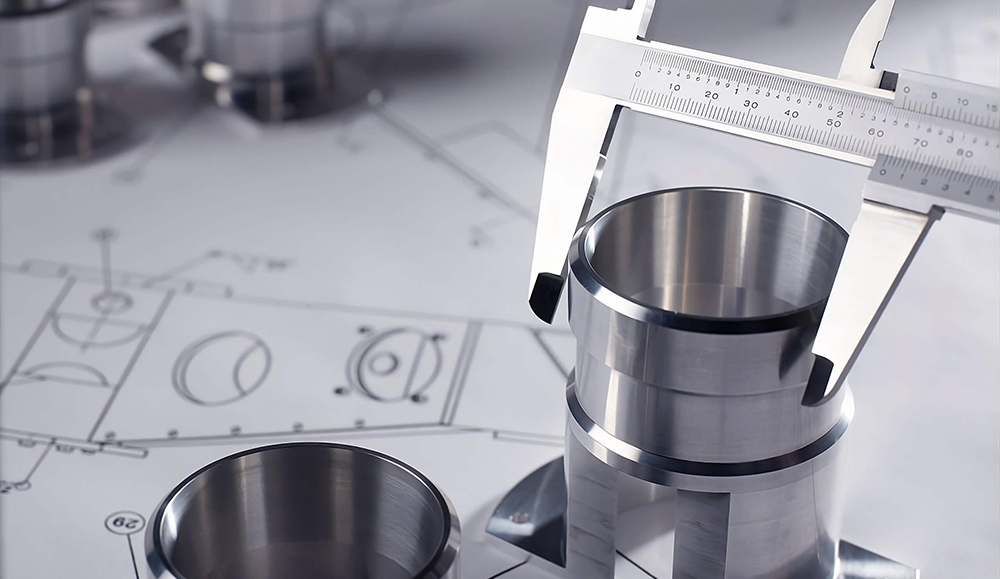
Precision is not merely a quality goal in aerospace manufacturing—it is a fundamental requirement for safety, performance, and reliability. Aircraft and spacecraft operate in some of the harshest environments known to engineering, and every component must perform flawlessly over long service lives. Even the smallest deviation in dimension, alignment, or surface quality can lead to serious operational consequences.
Aerospace parts face extreme operating conditions that few other industries encounter:
· High and fluctuating temperatures
· Intense vibration and cyclic loading
· High-speed airflow and pressure differentials
· Long service lives with minimal maintenance toleranceFailure is not an option. As a result, aerospace manufacturers require production technologies that offer:
· Repeatable accuracy
· Material integrity
· Process traceability
· Regulatory compliancePrecision CNC machining fulfills all of these requirements by combining advanced multi-axis machinery, digital control, and proven subtractive manufacturing principles.
Precision CNC Machining: The Backbone of Aerospace Parts
The aerospace industry demands a level of accuracy, consistency, and reliability that few manufacturing technologies can achieve. From commercial aircraft to satellites and space exploration systems, every component must meet exacting standards for safety and performance. At the core of this capability lies precision CNC machining—the backbone of aerospace parts manufacturing.
CNC machining uses pre-programmed digital instructions to control cutting tools with extreme accuracy. In aerospace applications, this translates into:
· Tolerances as tight as ±0.002 mm or better
· Complex geometries achieved through 5-axis and multi-axis machining
· Consistent quality across prototypes, low-volume runs, and full productionUnlike many alternative processes, CNC machining excels in both flexibility and precision, making it ideal for the diverse and demanding nature of aerospace components.
Structural Aerospace Parts: Strength Meets Precision
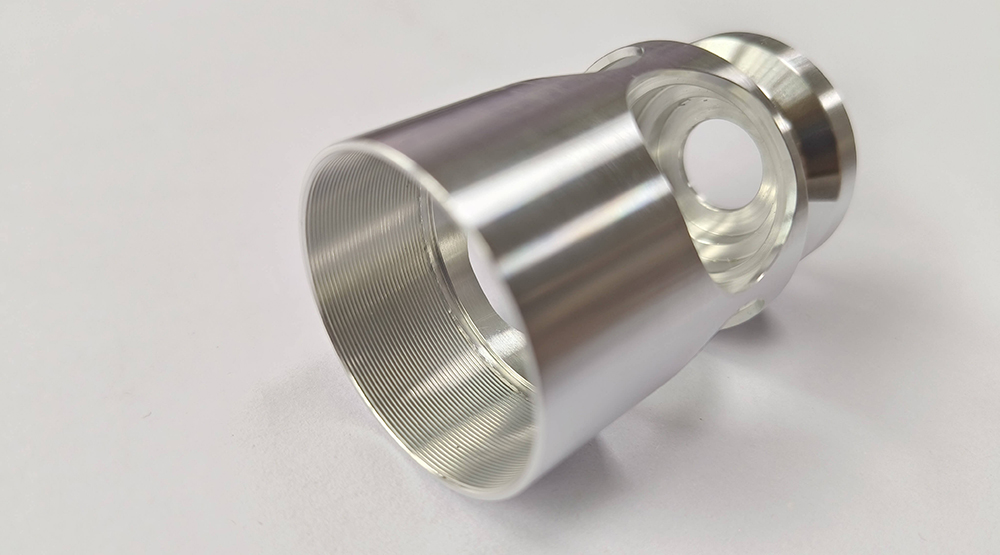
Structural aerospace parts form the physical backbone of aircraft, spacecraft, and advanced aerial systems. These components are responsible for carrying loads, absorbing stress, and maintaining the overall integrity of the vehicle under extreme operating conditions. In this high-stakes environment, strength alone is not enough—precision is equally critical. This is where precision CNC machining proves indispensable, ensuring that structural aerospace parts achieve the perfect balance between durability, weight efficiency, and dimensional accuracy.
The Role of Structural Components
Structural parts form the backbone of aircraft, spacecraft, and aerospace systems. These include:
· Fuselage frames and bulkheads
· Wing ribs and spars
· Engine mounts and brackets
· Landing gear components
· Satellite structural housingsThese components must balance lightweight design with exceptional strength and fatigue resistance.
How CNC Machining Adds Value
Precision CNC machining enables optimal structural performance in several ways:
High Material Integrity
Weight Reduction Through Design Freedom
Advanced CNC techniques allow engineers to remove material precisely where it is not needed. Internal pockets, ribs, and lattice-like structures can be machined without compromising strength—critical for reducing overall aircraft weight and improving fuel efficiency.Tight Dimensional Control
Structural components often interface with multiple assemblies. CNC machining ensures perfect alignment and fit, minimizing stress concentrations and assembly errors.
Repeatability and Traceability
Once a CNC program is validated, identical parts can be reproduced with minimal variation—an essential requirement for aerospace certification and lifecycle management.Aesthetic and Exterior Aerospace Parts: Precision You Can See
In aerospace manufacturing, precision is often associated with hidden structural or mechanical components. However, aesthetic and exterior aerospace parts are equally demanding—combining visual perfection with strict functional requirements. From aircraft cabins to external fairings, these components must look flawless while performing reliably under aerodynamic loads, vibration, and environmental exposure. Precision CNC machining makes this balance possible, delivering accuracy you can see and performance you can trust.
Why Aesthetics Matter in Aerospace
While performance is paramount, aesthetics plays a surprisingly important role in aerospace:
· Exterior panels influence aerodynamic efficiency
· Cabin components affect passenger perception and comfort
· Visible parts must meet both visual and functional standardsCommon aesthetic-focused aerospace parts include:
· Interior cabin trims and panels
· Seat frames and armrests
· Control panels and housings
· Exterior fairings and coversCNC Machining for Superior Surface Quality
Precision CNC machining excels in producing visually flawless parts, offering several key advantages:
Exceptional Surface Finish
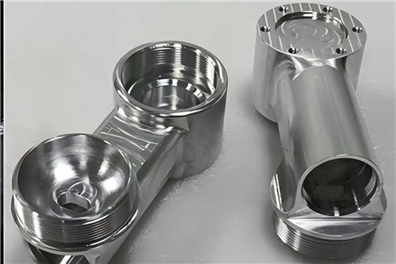
Modern CNC machines, paired with optimized tooling and cutting strategies, can produce smooth, uniform surfaces directly from machining. This reduces the need for secondary finishing and ensures consistency across parts.
Complex Curves and Clean Edges
Aerospace aesthetic components often feature flowing curves, chamfers, and fillets. Multi-axis CNC machining allows these shapes to be produced with high accuracy and symmetry.
Compatibility with Advanced Finishes
CNC-machined parts are ideal substrates for aerospace-approved finishes such as anodizing, chemical conversion coatings, polishing, or painting—ensuring both beauty and corrosion resistance.
Premium Materials
From lightweight aluminum to high-end composites with metal inserts, CNC machining supports a wide range of materials that combine visual appeal with structural reliability.
In aerospace, aesthetics are not superficial—they reflect precision, quality, and engineering excellence.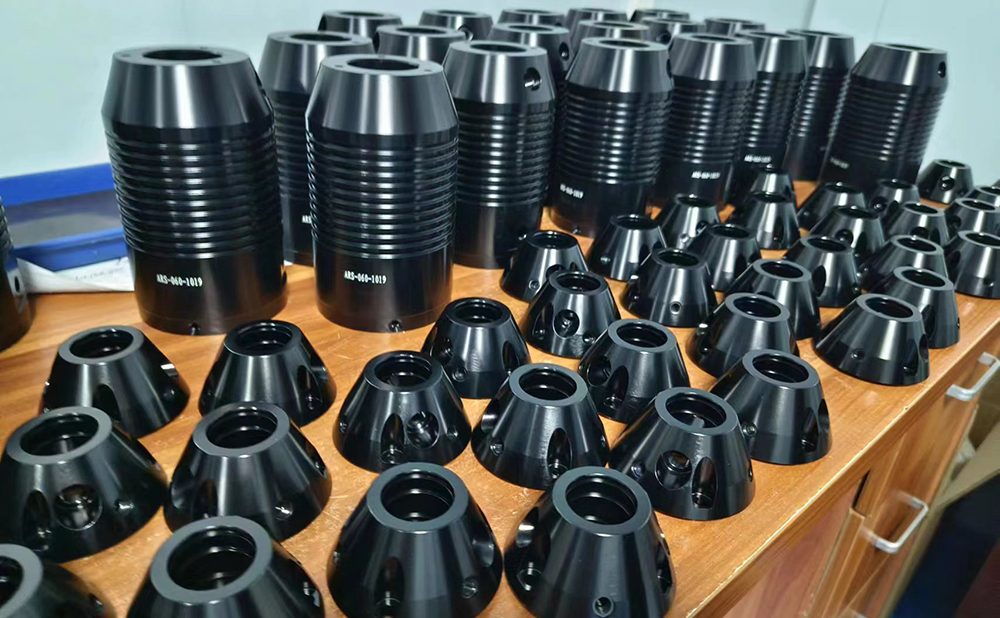
Tight Tolerance Aerospace Parts: Engineering at the Micron Level
In aerospace manufacturing, some components operate so close to their performance limits that even the smallest dimensional deviation can compromise functionality, reliability, or safety. These are tight tolerance aerospace parts—components engineered and manufactured at the micron level. Precision CNC machining is the technology that makes this level of accuracy achievable, repeatable, and certifiable.
The Importance of Tight Tolerances
Some aerospace components operate in environments where even microscopic deviations can cause failure. These parts include:
· Engine components
· Hydraulic and pneumatic system parts
· Actuator housings and shafts
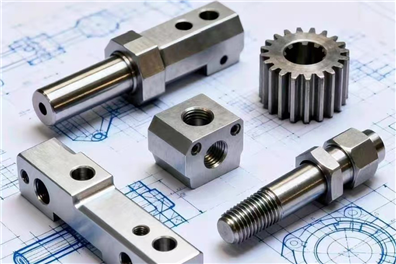
· Sensor mounts and guidance system componentsSuch parts often require tolerances measured in microns, not millimeters.
How Precision CNC Machining Delivers Micron Accuracy
Advanced Multi-Axis Capability
5-axis CNC machining allows tools to approach the part from multiple angles in a single setup. This minimizes re-clamping errors and maintains dimensional accuracy across complex geometries.
Thermal and Process Control
Aerospace CNC machining environments are carefully controlled to reduce thermal expansion and vibration, ensuring consistent results even at extreme tolerances.
High-Precision Metrology Integration
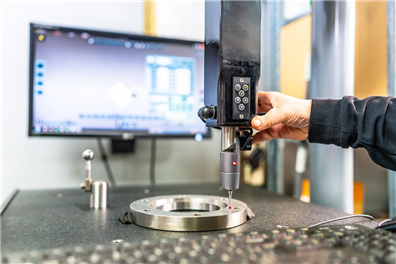
CNC machining for aerospace is often paired with in-process probing and coordinate measuring machines (CMMs), allowing real-time verification and adjustment.
Reliable Fits and Performance
Tight tolerance machining ensures perfect fits between moving or press-fit components, reducing wear, vibration, and energy loss—critical for engines and flight control systems.Material Excellence: CNC Machining and Aerospace Alloys
Precision CNC machining unlocks the full potential of aerospace-grade materials, including:
· Aluminum alloys for lightweight structures
· Titanium alloys for high strength-to-weight and corrosion resistance
· Stainless and alloy steels for extreme loads
· Nickel-based superalloys for high-temperature environmentsThese materials are notoriously difficult to machine, but modern CNC technology—combined with optimized tooling and cutting strategies—ensures accuracy without compromising material integrity.
Compliance, Certification, and Quality Assurance
Aerospace manufacturing is governed by rigorous standards such as AS9100 and ISO 9001. Precision CNC machining supports compliance through:
· Digital process documentation
· Repeatable, validated programs
· Full traceability from raw material to finished part
· Consistent inspection and quality recordsThis level of control is essential for gaining and maintaining trust in the aerospace supply chain.
From Prototyping to Production: CNC Machining's Flexibility
Aerospace programs demand both speed and certainty. Designs must be validated quickly, refined efficiently, and then produced consistently—often over long product lifecycles. Few manufacturing technologies can support this entire journey as effectively as precision CNC machining. From early-stage prototypes to full-scale production, CNC machining offers unmatched flexibility without sacrificing accuracy, quality, or compliance.
One of the greatest strengths of precision CNC machining is its ability to support the entire product lifecycle:
· Rapid prototyping for design validation
· Low-volume production for specialized aerospace programs
· Scalable manufacturing for long-term platformsDesign changes can be implemented quickly by updating digital programs, reducing development time and cost without sacrificing quality.
Conclusion: Precision CNC Machining as a Strategic Aerospace Advantage
From load-bearing structural components to visually refined aesthetic parts and micron-level tight tolerance components, precision CNC machining is not just a tool—it is the foundation that allows aerospace engineering to reach new heights and truly meet the sky's demand. It provides the accuracy, consistency, material performance, and flexibility required to meet the most demanding engineering challenges—while supporting safety, compliance, and innovation.
We are capable of supporting your entire development cycle:
· Rapid prototyping: Quickly test shapes, fits, and functions
· Low-batch production: For pre-production validation and specialized procedures
· On-demand and continuous production: Consistent quality and reliable delivery timesReady to design the future of flight? Upload your 3D CAD files now for a fast, confidential quote and expert DFM analysis. Let's build something amazing and airworthy together.



 sophia@alcrocn.com
 +86 15338350382
 6th North Street, Xiagang Community, Chang'an Town, Dongguan City, Guangdong Province, China.
