+86 15338350382
  • ISO 9001:2015 Certified
  • 45+ Certified Materials
  • 14+ Finishing Options
  • Advanced Inspections
  • Cost Optimization Services
Sheet Metal Capabilities
Whether it's a custom prototype or large-scale production, we deliver sheet metal services that meet the highest standards of quality and consistency.
Metal fabrication
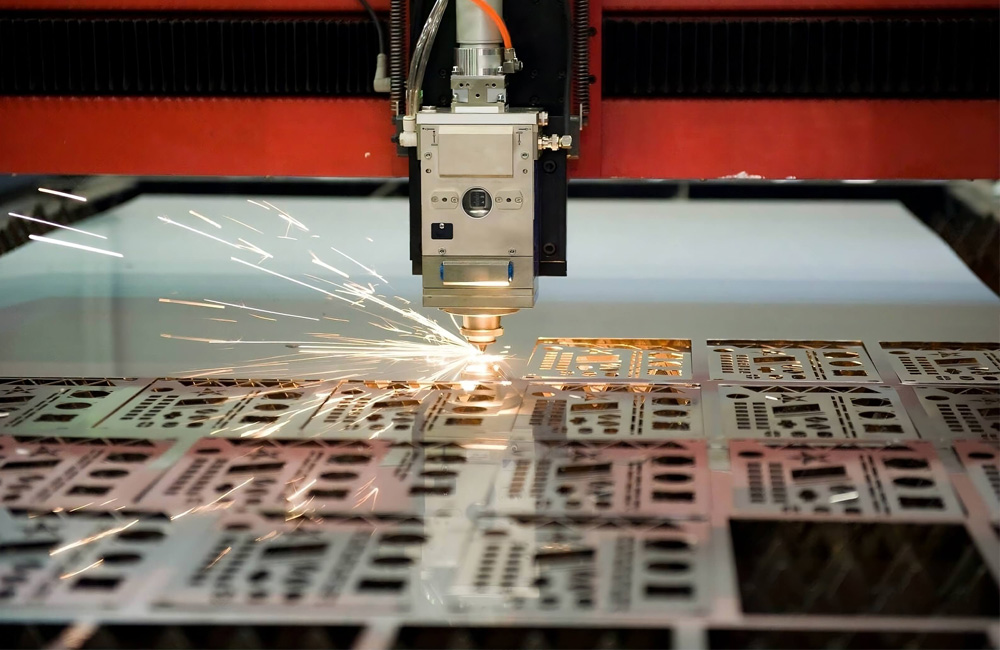
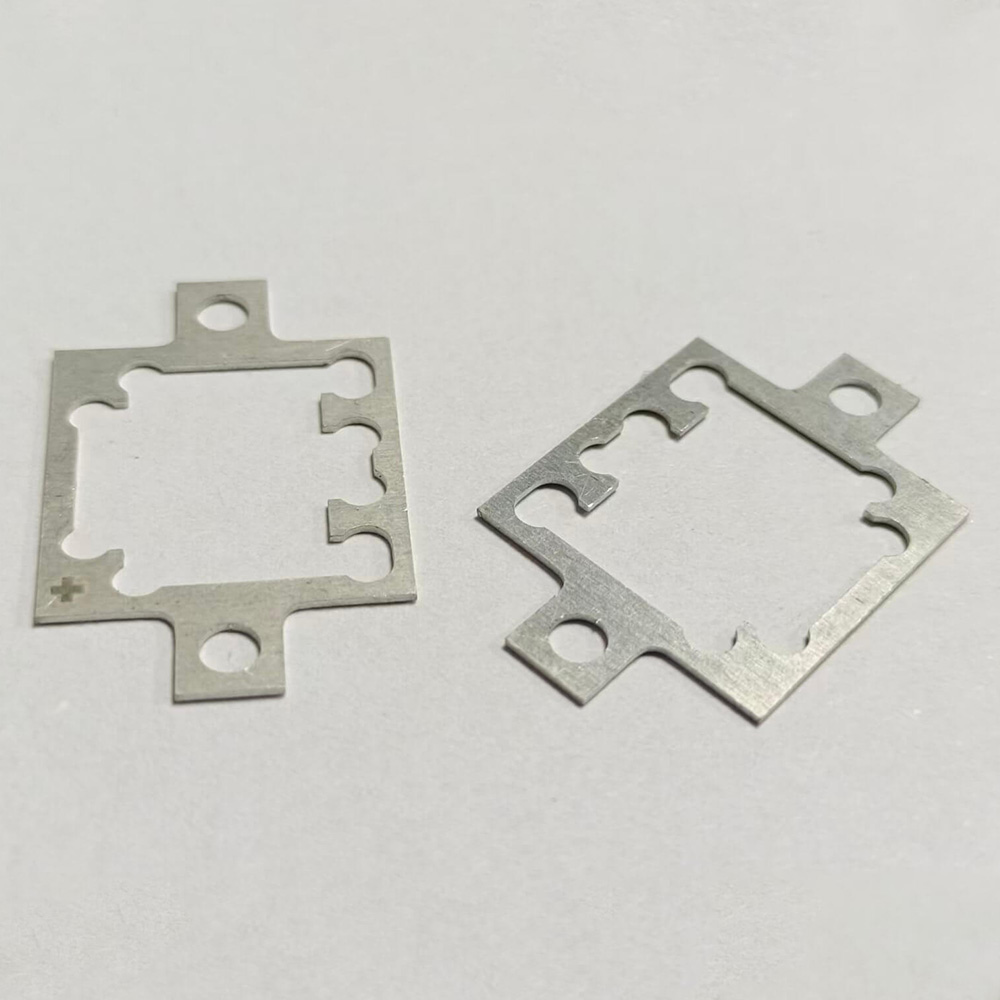
Sheet Cutting

Using state-of-the-art laser cutting, plasma cutting and waterjet cutting systems, we ensure exceptional edge quality, tight dimensional control and minimal material waste.

What We Offer

High-precision cutting for complex geometries and tight tolerances

Material flexibility, ferrous and non-ferrous metals, including reflective materials

Fast lead times with automated nesting and CNC control

Clean finishes that reduce or eliminate secondary processing

Support for custom and high-volume orders
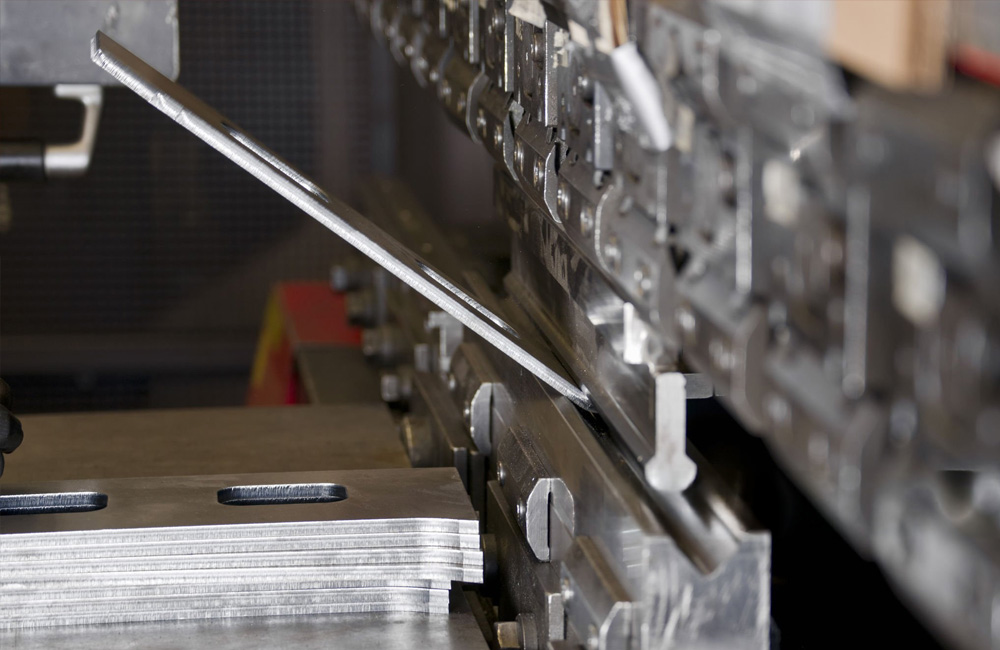
Metal cutting
Blending & Stamping

Together, blending and stamping form the backbone of many modern manufacturing operations, combining craftsmanship with industrial efficiency, speed and precision.

What We Offer

High-speed stamping for small to large production runs

Progressive die stamping for complex or multi-stage parts

Deburring, blending & finishing for clean, functional surfaces

Support for a wide range of metals including aluminum, stainless and cold-rolled steel

Strict quality control to ensure every part meets specifications

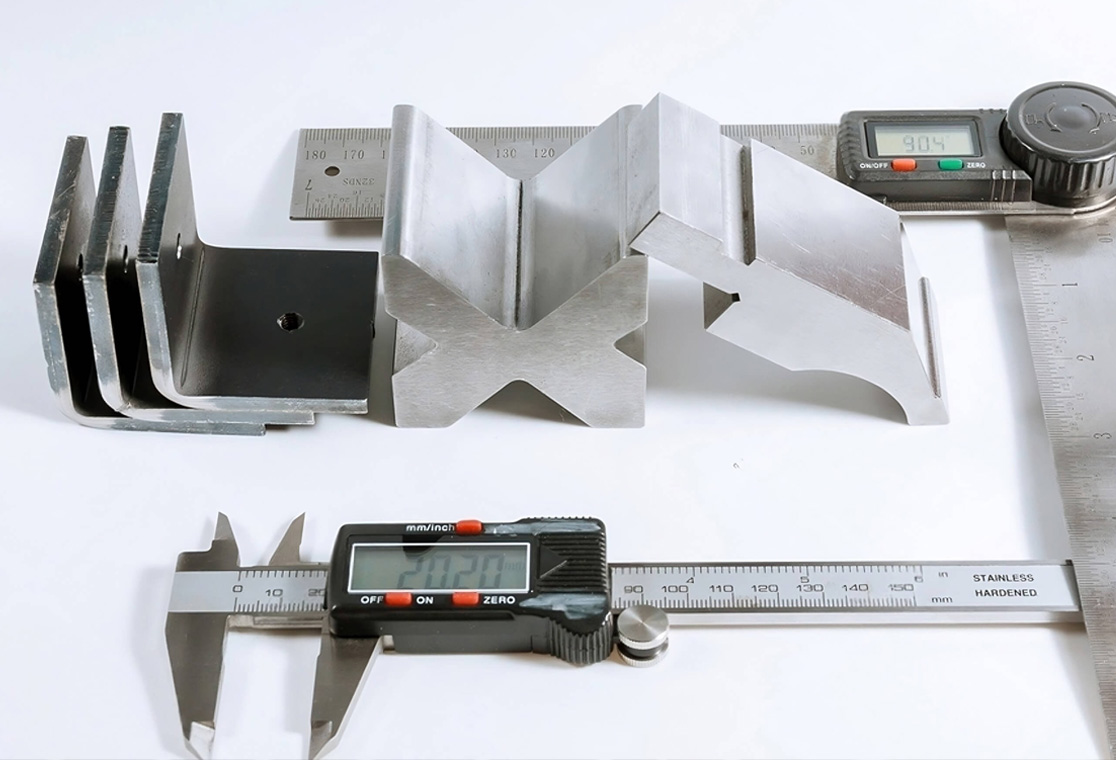
Tolerances for Sheet Metal Fabrication
In sheet metal fabrication, tolerances define the acceptable range of variation in a part’s dimensions. Specifying the right tolerance is essential—it strikes a balance between design precision, manufacturability and cost-effectiveness.
Feature/- Standard Tolerance Range Notes / Best Practices
Laser Cutting ±0.10 mm to ±0.20 mm High precision, tolerance may vary by material thickness.
Plasma Cutting ±0.30 mm to ±1.00 mm More variation, especially with thicker materials.
Waterjet Cutting ±0.15 mm to ±0.30 mm Good accuracy with no heat-affected zone.
Punching ±0.15 mm to ±0.30 mm Can vary depending on tool wear and material type.
Bending (Angle) ±1° to ±2° Material thickness and bend radius affect accuracy.
Bending (Linear) ±0.25 mm to ±0.50 mm Consider bend allowance and K-factor during design.
Hole Diameter ±0.10 mm to ±0.20 mm Best to use standard hole sizes where possible.
Hole-to-Hole Distance ±0.20 mm to ±0.50 mm Keep minimum spacing based on material thickness.
Cut Edge to Bend ±0.25 mm to ±0.50 mm Allow clearance to avoid distortion during bending.
Flatness ±0.30 mm per 100 mm Large parts may require flattening or stress relief.
Feature Location ±0.25 mm to ±0.75 mm Tighter tolerances increase cost and require precision fixturing.
Sheet Metal Fabrication Design Guidelines
Designing for sheet metal fabrication requires more than just a good idea—it demands a deep understanding of how metal behaves during cutting, bending, forming and joining processes.
Feature Design Recommendation Notes / Best Practices
Material Thickness Use standard gauges (e.g., 0.8 mm, 1.0 mm, 1.5 mm, 2.0 mm) Standard sizes reduce cost and lead time; avoid excessive variation in one part.
Minimum Bend Radius Use bend radius ≥ material thickness (1×T) Prevents cracking and ensures a cleaner bend.
Hole Size Minimum hole diameter ≥ material thickness Smaller holes may distort during punching or laser cutting.
Hole-to-Edge Distance Maintain a minimum distance of 1.5× material thickness Prevents tearing or distortion during cutting/forming.
Bend-to-Hole Distance Keep holes at least 2× thickness away from bend lines Avoids deformation of holes during bending.
Bend Relief Include reliefs where flanges meet bends Prevents tearing and ensures accurate bends.
Notches & Tabs Avoid sharp inside corners; use radii ≥ 0.5 mm Sharp corners are stress risers and harder to fabricate.
Bend Orientation Keep bends in the same direction when possible Reduces setup time and improves cost efficiency.
Embosses or Louvers Avoid near bends or edges Distortions can occur if too close to structural features.
Tolerance Application Apply tighter tolerances only to critical features Over-tolerancing increases cost and production difficulty.
Text or Logos Use engraved/debossed text ≥ 0.5 mm depth and simple fonts Small or complex fonts may not machine or cut cleanly.
Welded Features Design for easy access to weld joints Consider assembly sequence and post-weld finishing needs.
Fastener Placement Use standard hole sizes for inserts/studs Allow clearance and avoid placing inserts near bends or edges.
Flatness Design with reasonable expectations for flatness (especially for large/thin parts) Warping can occur from cutting, bending, or welding processes.
Why Choose Our Sheet Metal Services
We combine precision, performance and partnership to deliver sheet metal solutions that exceed the highest standards of quality and reliability. From concept to completion, we’re committed to supporting your project every step of the way.
  • Full-Service Capabilities

    From laser cutting and CNC bending to welding, finishing and assembly, we provide end-to-end sheet metal fabrication under one roof—reducing lead times and simplifying your supply chain.
  • Advanced Technology & Equipment

    We use state-of-the-art machinery and automation to ensure consistent results, tight tolerances and efficient throughput for parts of any complexity.
  • DFM Support

    Our engineering team works closely with you to optimize your part design for performance, cost and manufacturability—helping you avoid common fabrication pitfalls and improve time to market.
Metalworking
  • Quality You Can Count On

    Every part we produce is subject to rigorous quality checks, including dimensional inspection, material traceability and finish verification. We build to spec—and beyond.
  • Fast Turnaround & On-Time Delivery

    We provide responsive service and dependable delivery. Our flexible production scheduling ensures we can meet tight deadlines without compromising quality.
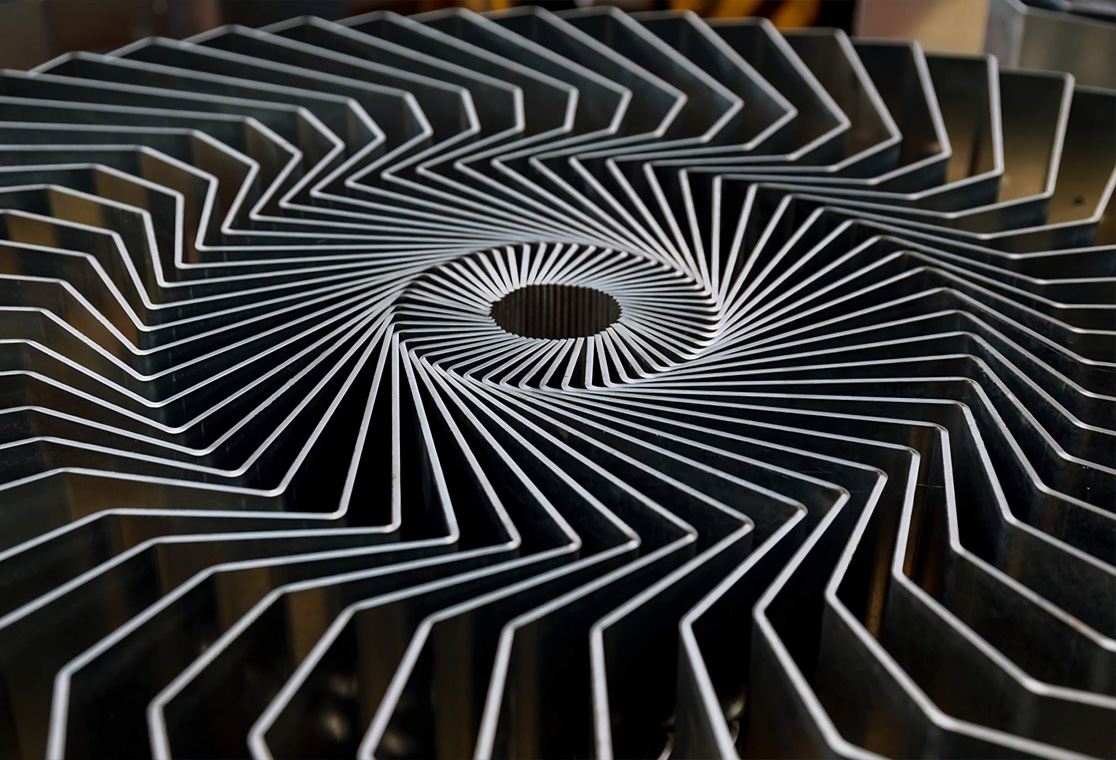
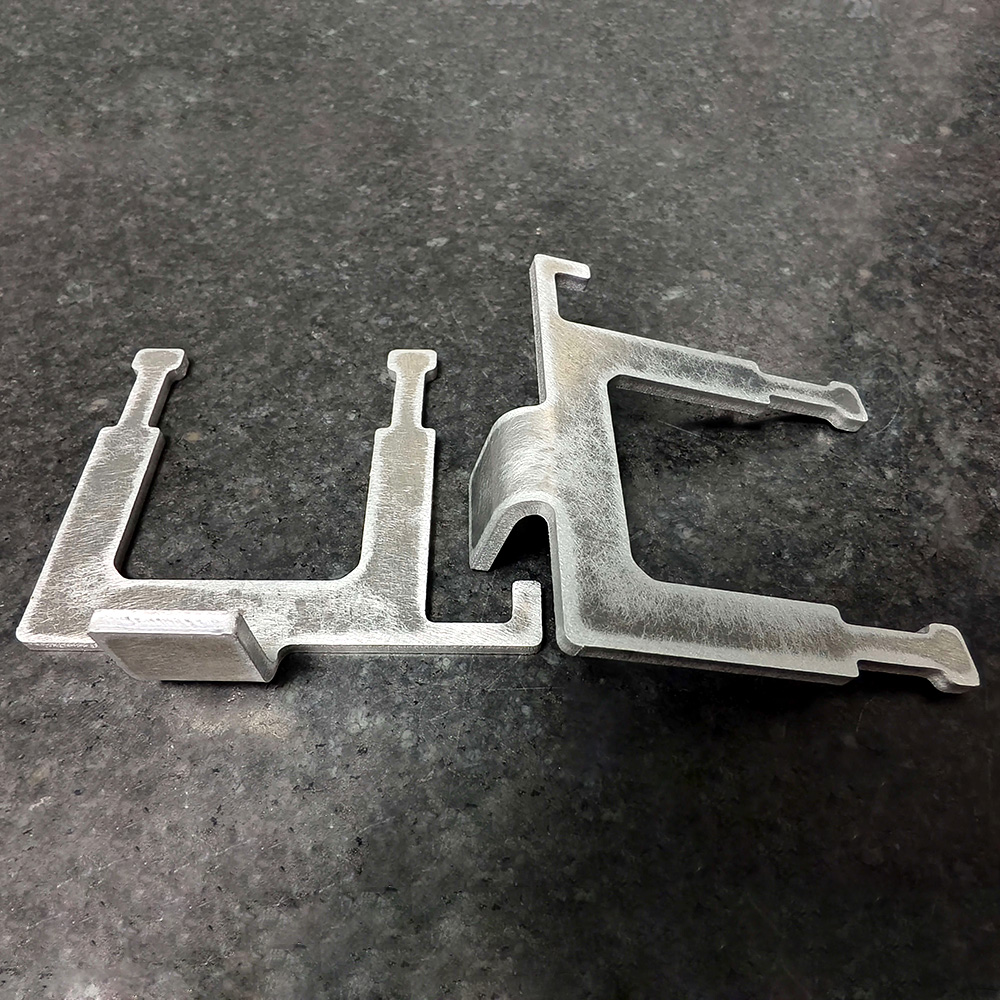
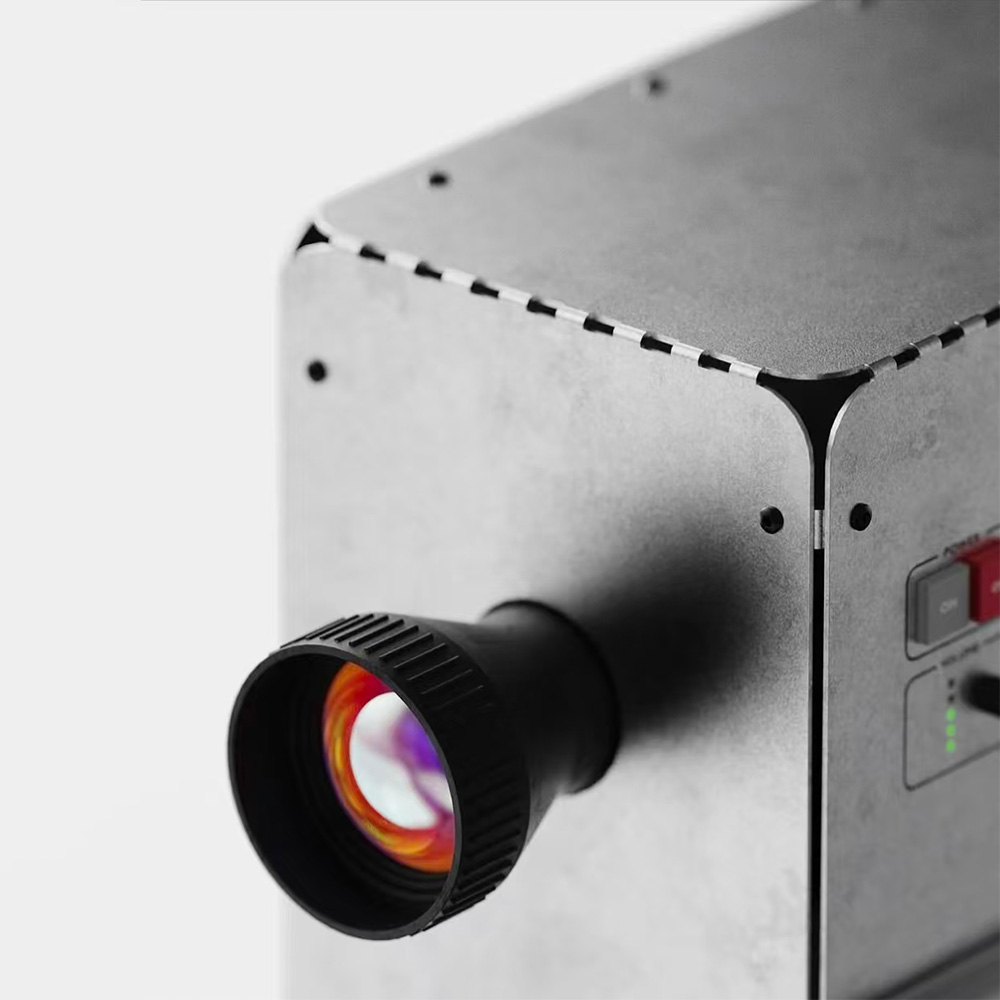
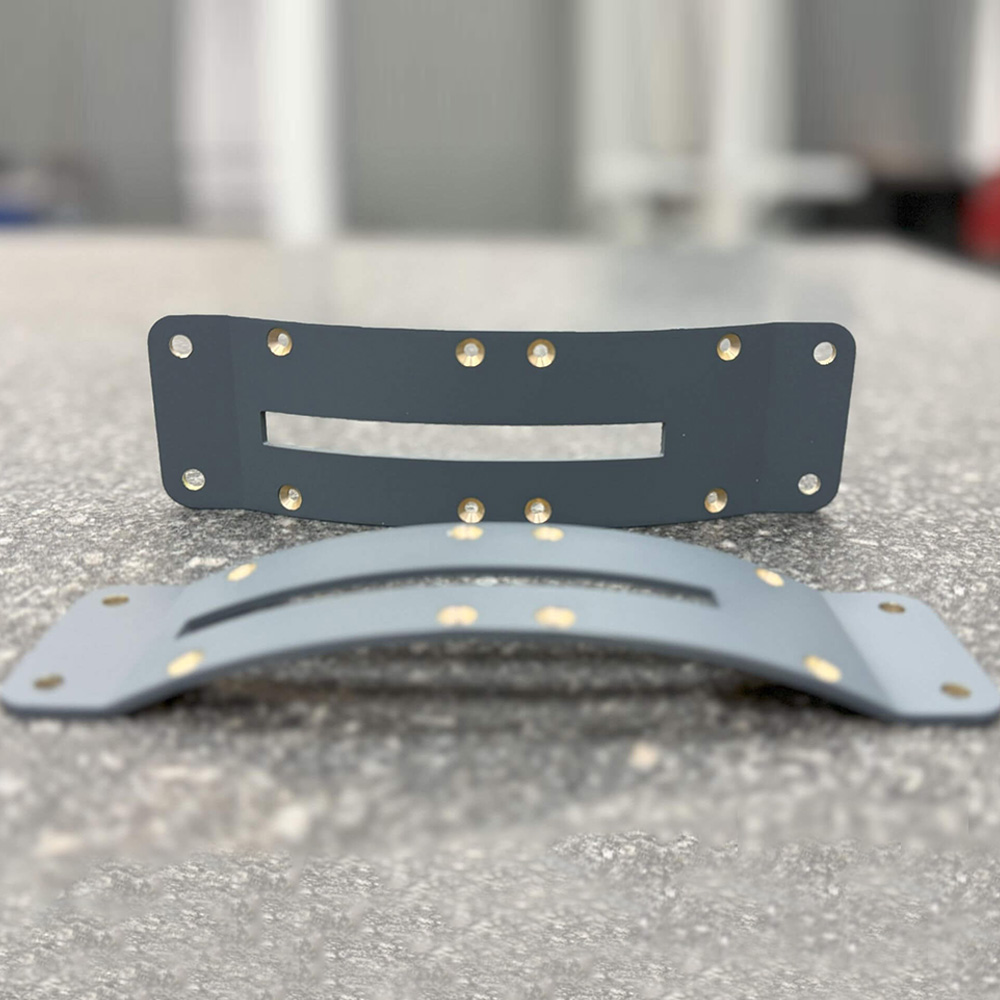
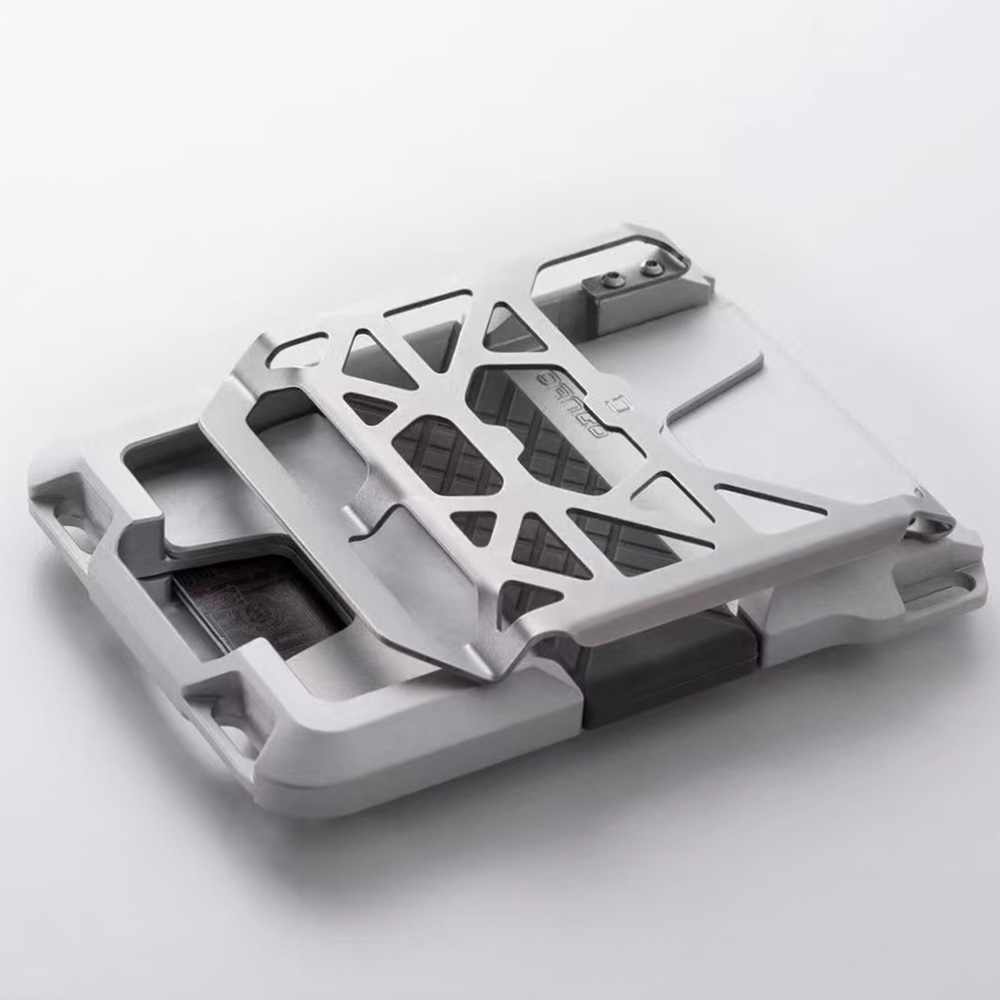
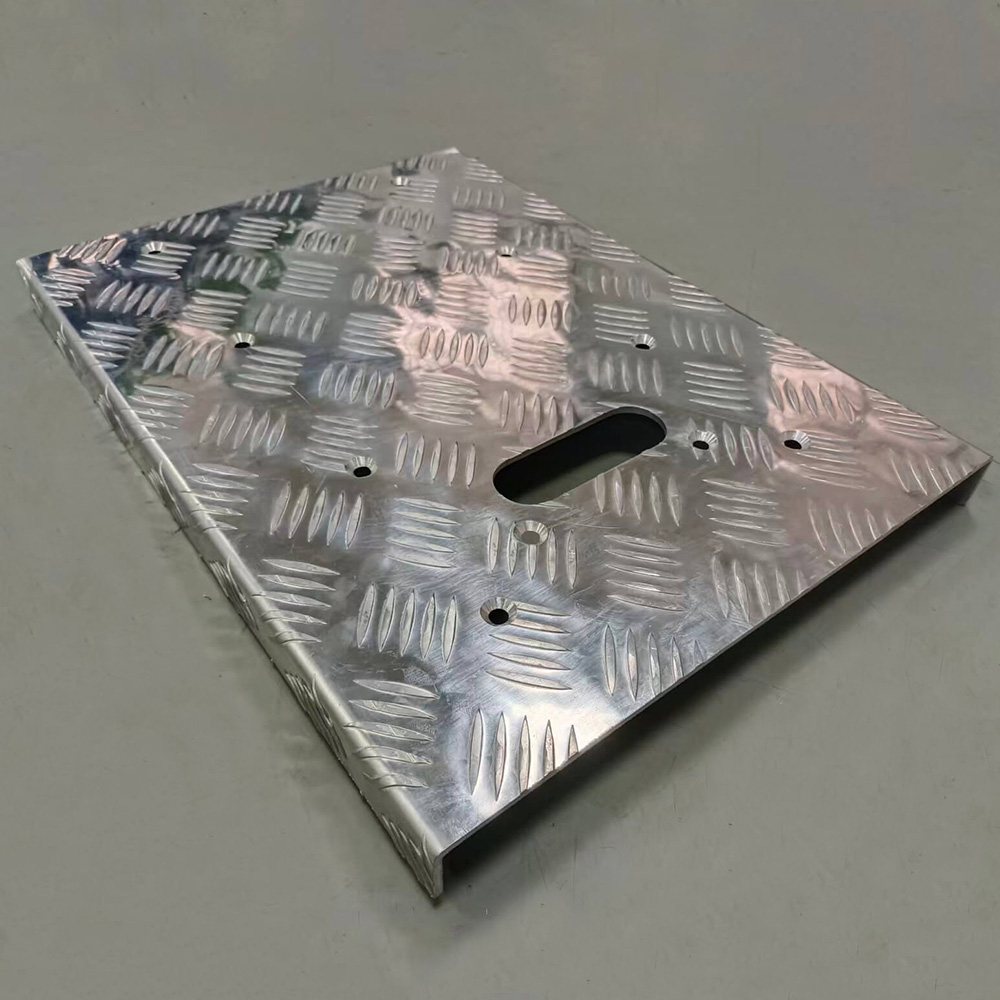
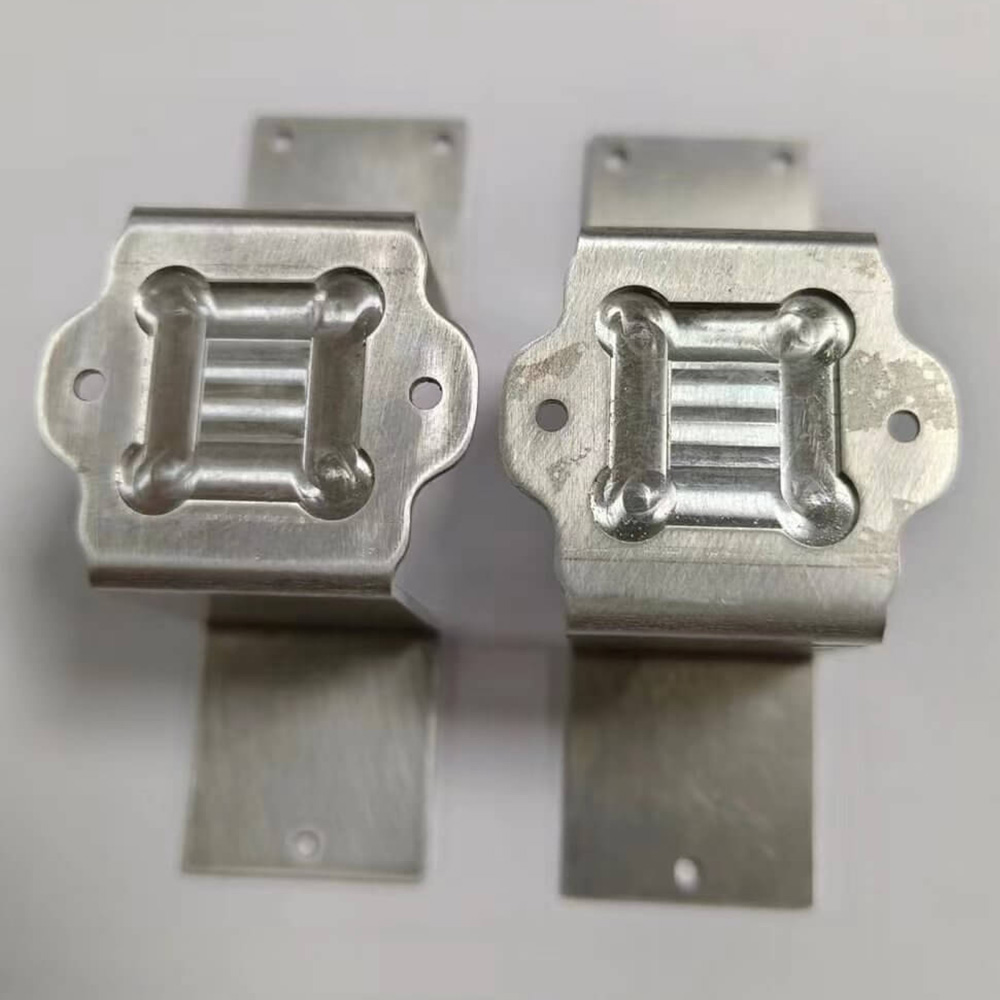
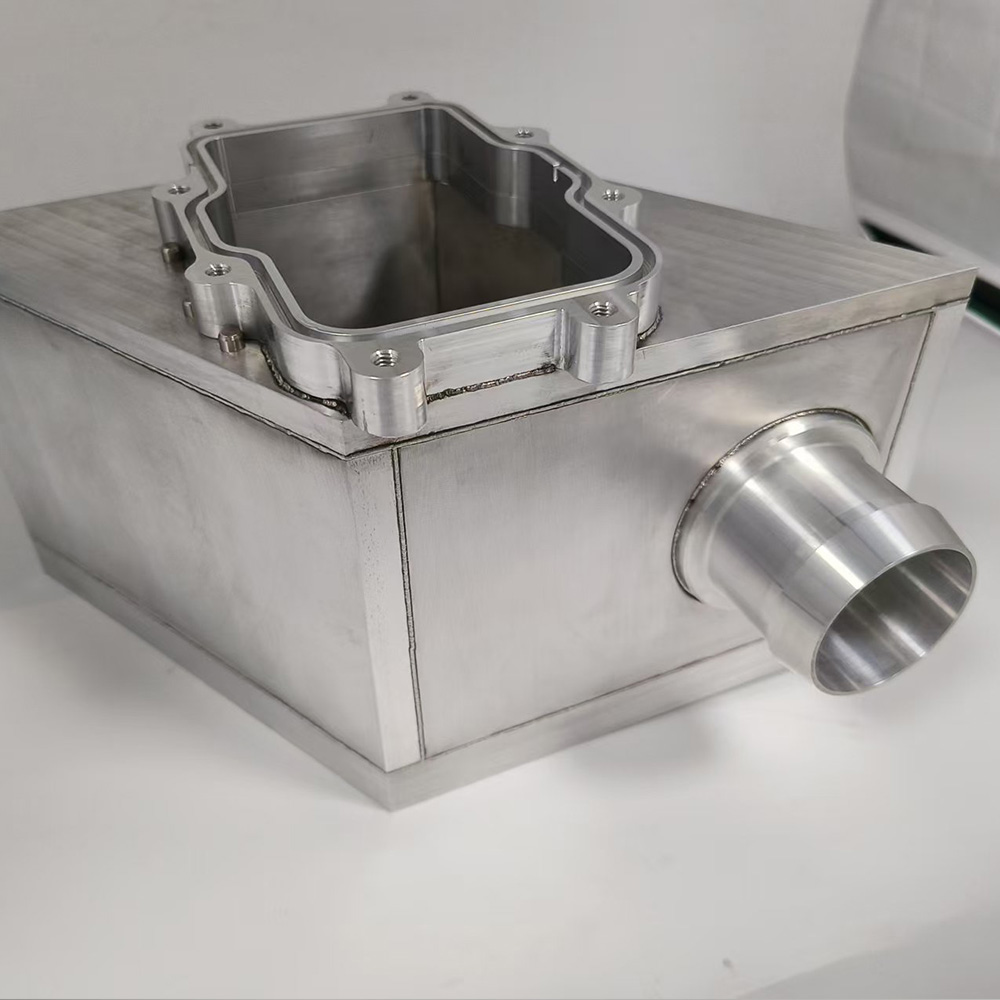
Sheet metal parts
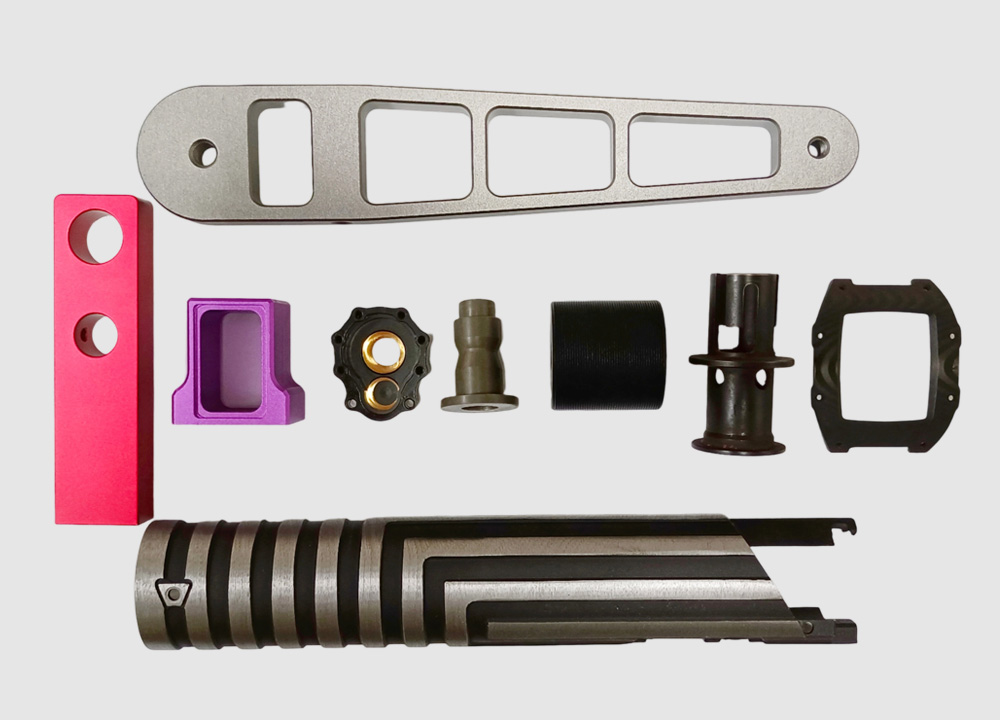
Gallery of Our Sheet Metal Parts
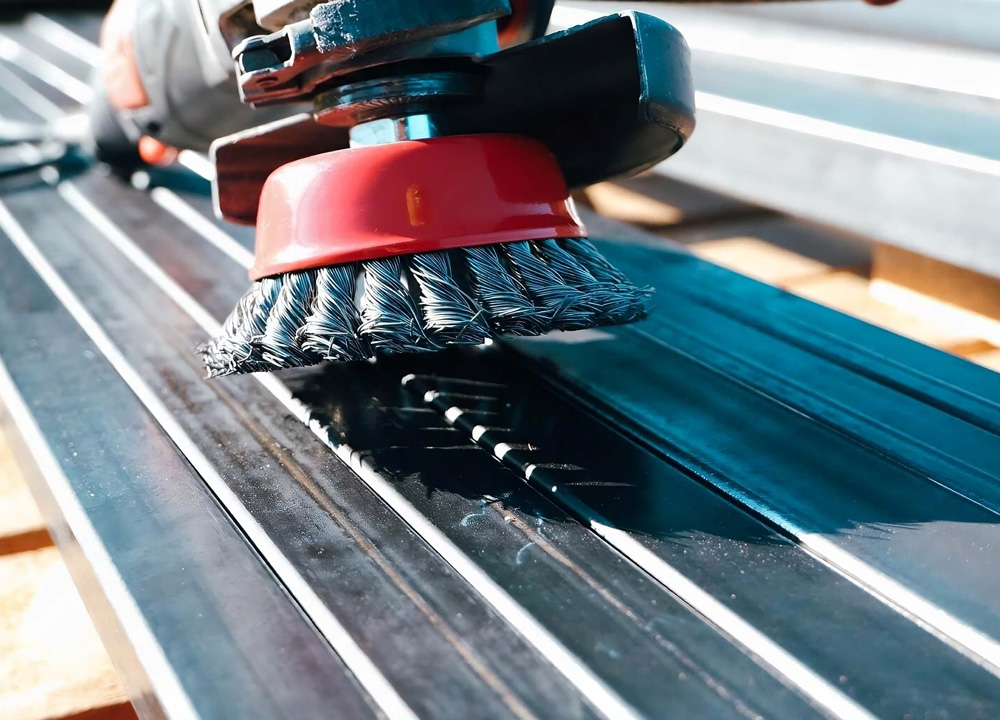
Surface Finishing
Surface finishing is a critical part of CNC machining that affect not just appearance, but also functionality, durability and corrosion resistance. The right finishing can enhance part’s performance, meet aesthetic goals or ensure compliance with industry standards.
Contract manufacturing
Standard

As machined

Smooth machining

Fine machining

Custom manufacturing
On Request

Anodizing

Hardcoat anodizing

Powder coating

Electroless nickel/zinc plating

Chemical film

Passivation

Black oxide

Custom fabrication
Others

Brushing

Polishing

Electropolishing

Bead blasting

Heat treatment

CNC Machining for Various Industries
CNC Machining is a highly adaptable manufacturing process used across a wide range of industries to produce precise, durable and complex parts. Its versatility in materials, tolerances and part geometries makes it essential in sectors demanding high performance, customization and repeatability.
Aerospace & Defense

Aerospace & Defense

Automotive

Automotive

Automation & Robotics

Automation & Robotics

Medical

Medical

Industrial Machinery

Industrial Machinery

Consumer Electronics

Consumer Electronics

Sheet Metal
FAQs
  • What types of sheet metal materials can be used in fabrication?
  • Is sheet metal fabrication cheaper than CNC machining?
  • What is the typical turnaround time for sheet metal fabrication projects?
Turn Your Designs Into Custom Parts Today

Get Instant Quote

Driven by customer-first mindset, fast response and technical excellence, we are committed to being your reliable, long-term partner in custom manufacturing.
Contact Us

sophia@alcrocn.com

+86 15338350382

6th North Street, Xiagang Community, Chang'an Town, Dongguan City, Guangdong Province, China.

Newsletter
Stay up to date with the latest news, announcements and articles.
Copyright © Alcro Tech All rights reserved.