 +86 15338350382

 English
 Spanish
 French
 Russian
 Italian
 German
 Japanese

 7 min readPublished Aug 14 2026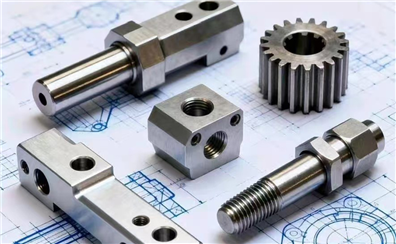
Prototyping and small-batch production provide exactly this flexibility. Instead of committing large investments to tooling, inventory, and mass production at the beginning, businesses can first build functional prototypes, test performance, identify problems, collect customer feedback, and improve the design before scaling.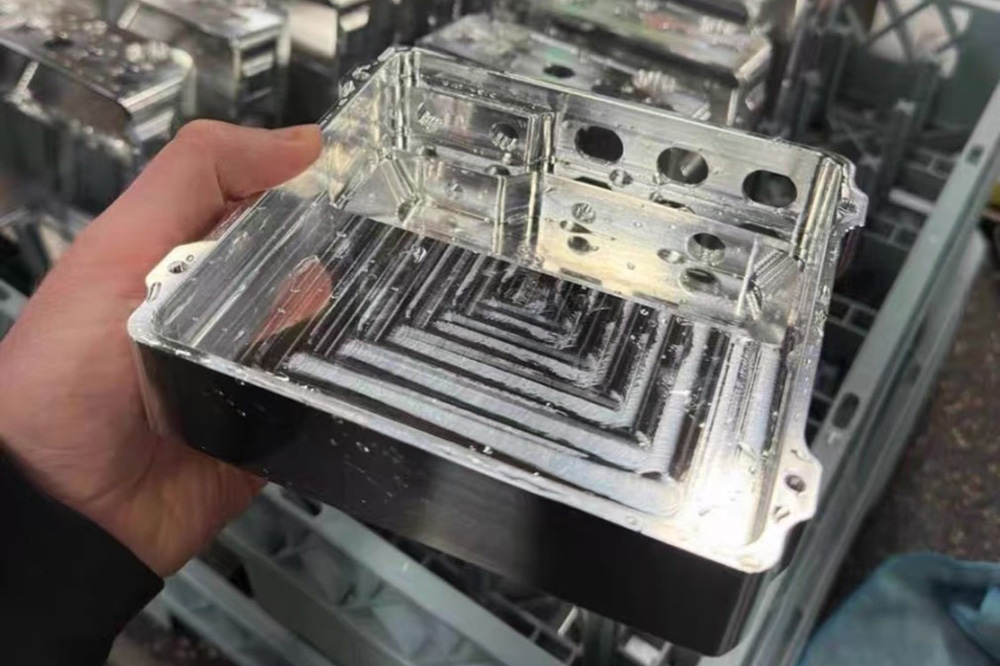
Prototyping Reduces Risk and Accelerates Learning
A prototype is more than a physical sample; it is a way to turn uncertainty into useful information. A design may look perfect in CAD, but physical testing can reveal assembly problems, unexpected stresses, difficult tolerances, excessive weight, poor ergonomics, or manufacturing limitations that are difficult to identify on a screen. Finding these problems early is extremely valuable because design changes are relatively inexpensive during the prototype stage but can become costly once tooling, production processes, and large inventories are involved.
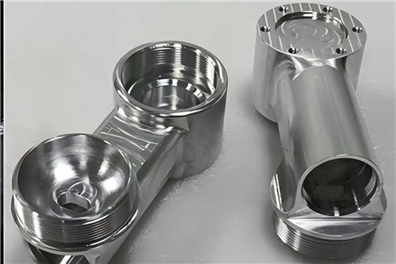
However, CNC machining is particularly useful here because it can produce highly accurate functional prototypes directly from digital designs. Engineers can test actual materials, dimensions, surface finishes, and mechanical interfaces, then modify the design and manufacture another version without rebuilding an expensive production system. Every iteration provides more knowledge, making the final product more reliable and reducing the risk of expensive mistakes. This approach creates a shorter and more controlled path from concept to production, allowing companies to make better decisions based on real products rather than assumptions.
Why CNC Machining Matters to Modern Product Development
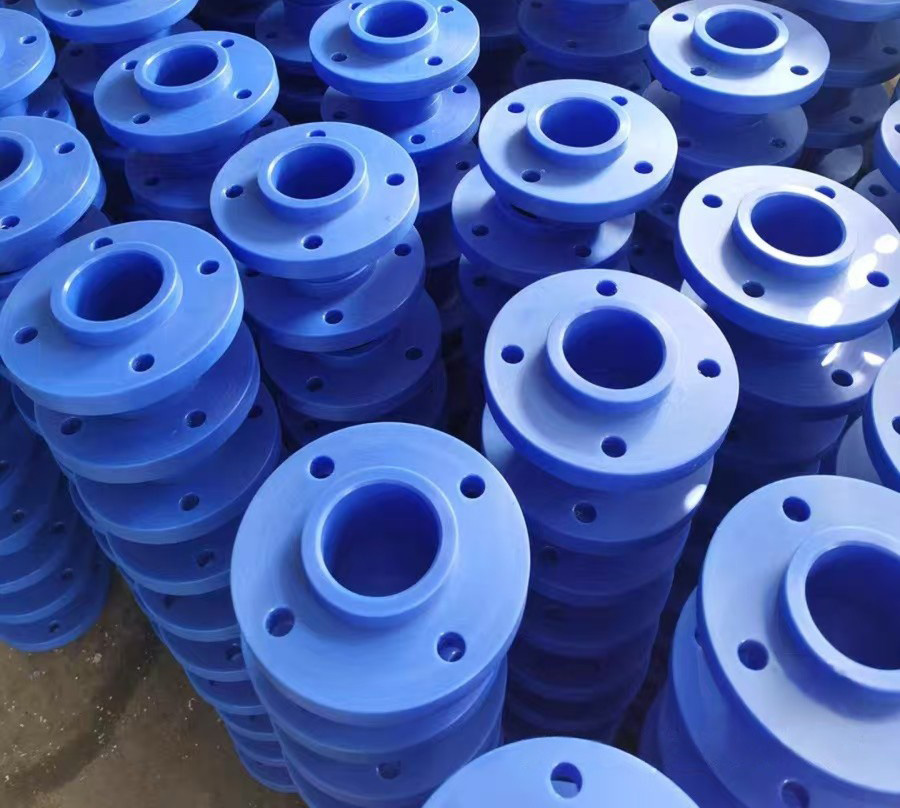
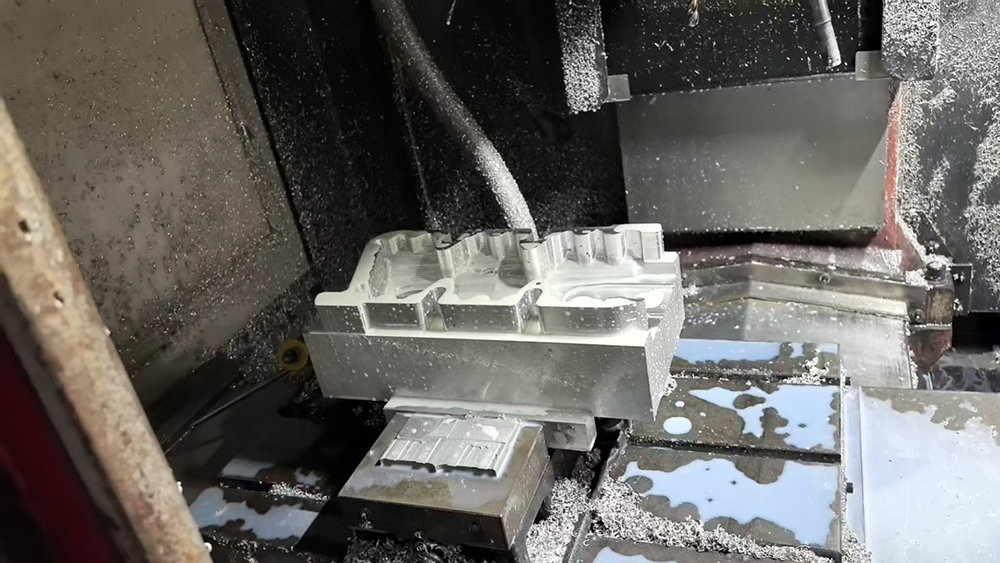
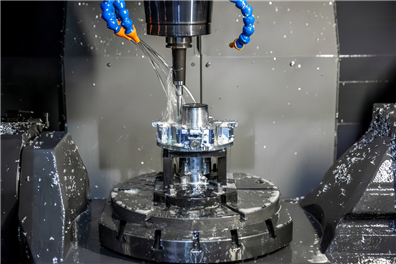
CNC machining has become an important bridge between engineering design and real-world manufacturing because it combines precision, flexibility, and production capability. CNC milling, CNC turning, and multi-axis machining can produce complex components from aluminum, stainless steel, titanium, copper, engineering plastics, and many other materials. This allows companies to create prototypes that behave much more like their eventual production parts.
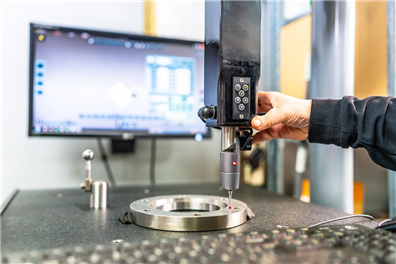
For industries where dimensional accuracy and functional performance matter, this is a major advantage. Engineers can test a machined prototype in an actual machine, vehicle, robotic system, or industrial environment instead of relying on simplified models. At the same time, CNC machining allows design changes to be introduced relatively quickly, making it possible to move through several engineering iterations without the long lead times associated with traditional tooling. This combination of precision and flexibility makes CNC machining particularly valuable for innovative products that are still evolving.
Custom Manufacturing Gives Engineers More Freedom
Every product has different requirements, so there is rarely one standard component that represents the best solution for every application. Custom manufacturing gives engineers the freedom to design components around the product rather than forcing the product to accommodate standard parts.
A robotics company may need a lightweight custom bracket or precision end-effector. An automation manufacturer may require a specialized fixture, shaft, housing, or sensor mount. An automotive company may develop custom wheels, suspension components, adapters, or performance parts. A medical equipment manufacturer may require precision-machined components with specific dimensions, materials, and surface treatments.
These parts may not exist as catalog products, but custom manufacturing makes it possible to create them according to the exact requirements of the application. This freedom can improve performance, reduce unnecessary weight, simplify assembly, and create product features that competitors cannot easily reproduce.
Small-Batch Production Connects Prototypes With the Market
The transition from prototype to mass production does not always need to happen immediately. Small-batch production provides an important middle stage where companies can manufacture a limited quantity, test the product in real applications, and evaluate the market before making larger investments. This is particularly valuable when demand is uncertain or when a product is entering a new market.
A company can produce an initial batch, place the products with selected customers, collect feedback, identify quality or usability issues, and make improvements before increasing production volume. From a business perspective, this reduces the amount of capital tied up in inventory and lowers the risk of manufacturing thousands of products before the market has been properly validated. It also gives engineering and production teams valuable experience with repeatability, inspection, assembly, packaging, and supply-chain requirements.
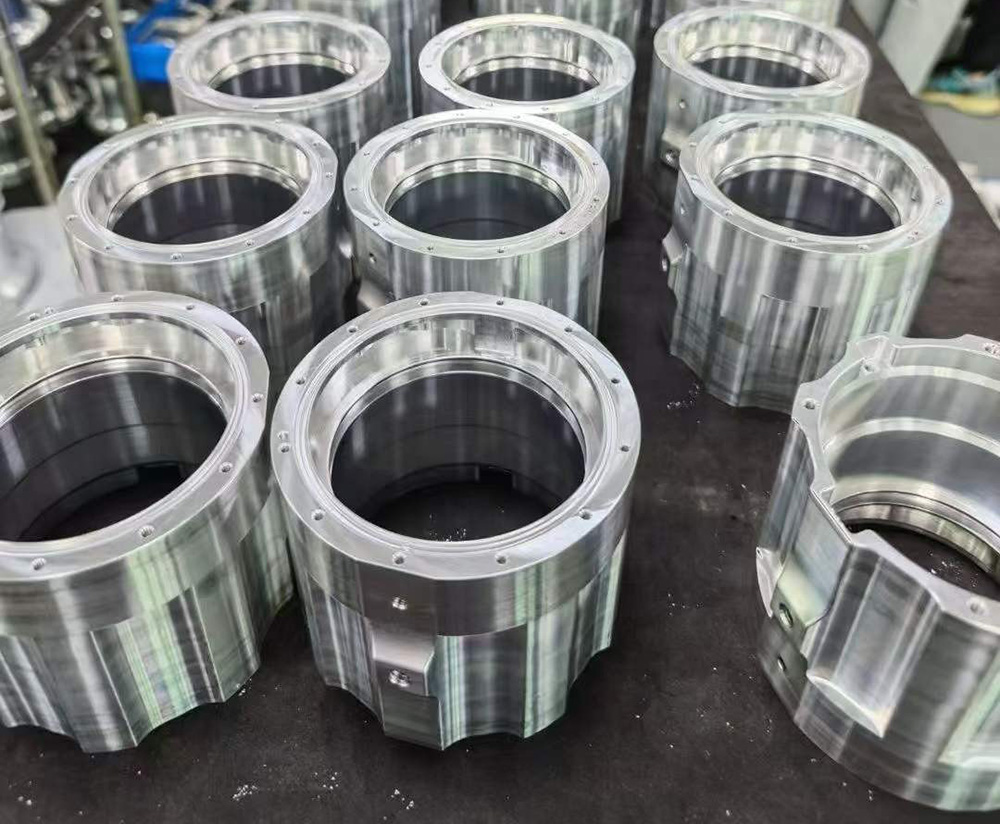
Automation Shows the Value of Custom Solutions
The automation and robotics industry is a strong example of why prototyping and custom manufacturing are becoming increasingly important. Automation equipment is rarely a simple collection of standard components. Every machine may have different dimensions, operating conditions, payload requirements, sensor configurations, motion systems, and customer applications. As new technologies such as robotics, machine vision, artificial intelligence, and intelligent control systems develop, engineers must constantly create new mechanical solutions to support them.
Custom CNC-machined components allow these teams to move quickly from concept to physical testing. A bracket can be redesigned after a vibration test, a robotic end-effector can be modified for a different product, or a machine housing can be adjusted to accommodate new electronics. This ability to make changes quickly helps automation companies shorten development cycles and respond to customer requirements much faster.
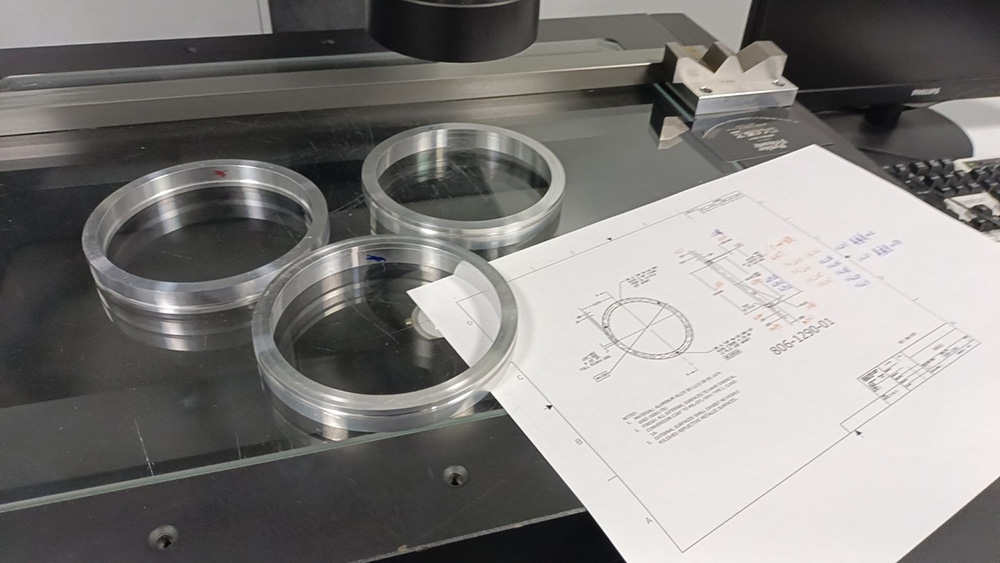
DFM Creates Business Value
Innovation should not end with a technically successful design. A product must also be practical and economical to manufacture. This is where Design for Manufacturability, or DFM, becomes an important part of the development process. Manufacturing engineers can review a design before production and identify features that may increase machining time, material waste, tooling requirements, inspection difficulty, or overall cost. A non-critical tolerance may be unnecessarily tight, a deep cavity may require specialized tooling, or a small design change may allow a component to be produced more efficiently.
These improvements may appear minor on an individual part, but they can become significant when multiplied across hundreds or thousands of components. Early collaboration between designers and manufacturers therefore creates value not only by reducing production costs but also by preventing problems before they reach the factory floor.
Custom Manufacturing as a Competitive Strategy
Custom manufacturing is increasingly becoming more than a production method, it is a strategic capability. Companies that can work closely with experienced manufacturing partners have greater freedom to experiment, customize, and improve their products. They can test new ideas without immediately committing to mass production, respond to customer feedback faster, and create components specifically optimized for their applications.
This flexibility can become a genuine competitive advantage because competitors using rigid production systems may struggle to make changes quickly. In industries where product differentiation matters, custom parts can also contribute directly to performance, appearance, functionality, and brand identity. The manufacturing process therefore becomes part of the company's innovation strategy rather than simply a downstream activity. And a capable manufacturing partner can create value through reliable quality, engineering support, faster prototyping, stable delivery, and the ability to scale production when demand increases.
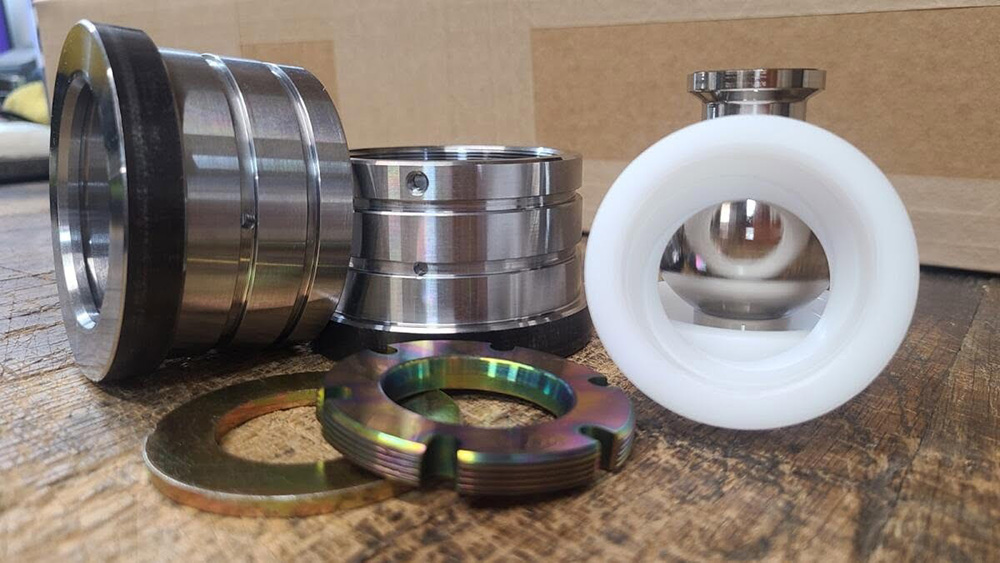
The Future Belongs to Flexible Manufacturing
As industries become more automated, connected, customized, and technology-driven, manufacturing flexibility will become increasingly important. Companies will continue to develop products with shorter life cycles, more specialized applications, and greater customer expectations. At the same time, technologies such as advanced CNC machining, automation, AI-assisted engineering, digital inspection, additive manufacturing, and smart factories will make it possible to develop and manufacture increasingly complex products.
The most effective product-development process usually is a practical process may begin with a concept, move into CAD design, produce a functional prototype through CNC machining or another suitable process, test the product, identify weaknesses, revise the design, and then move into small-batch production. This approach creates a natural connection between engineering and manufacturing and prevents companies from treating them as separate stages, then transform an idea finally into a commercially viable product.
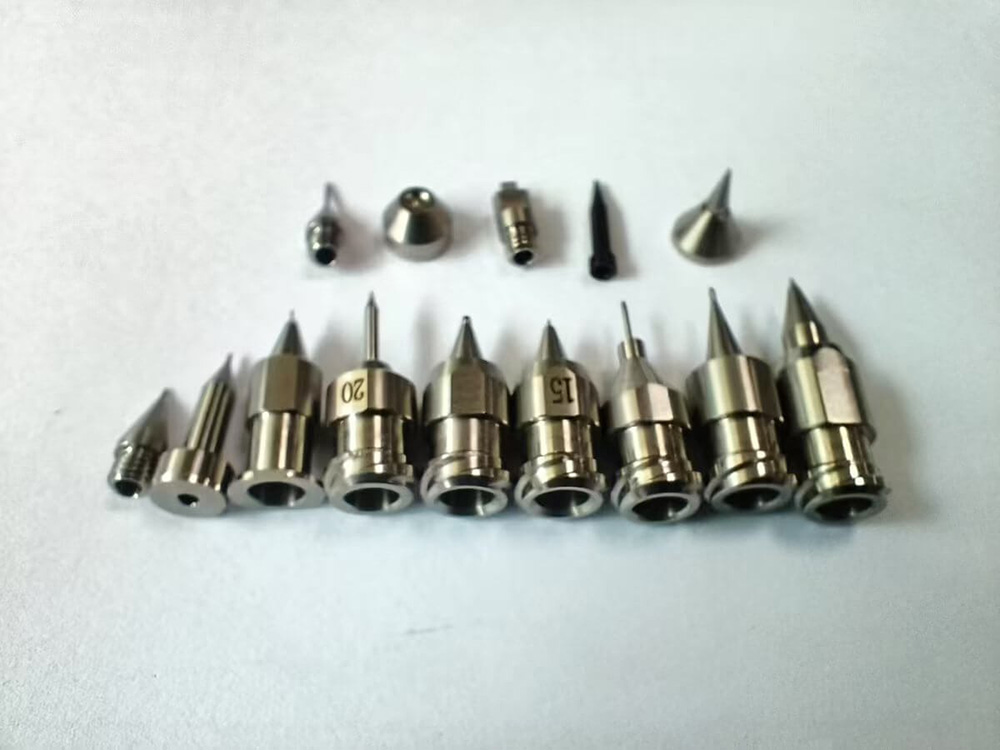
Conclusion
Every innovative product starts with a problem that needs to be solved, but every problem requires a different solution. That is what makes prototyping and custom manufacturing so valuable to modern industry. They give companies the freedom to experiment, the flexibility to adapt, and the ability to validate ideas before making major investments. CNC machining provides the precision and speed needed to transform digital designs into functional components, while small-batch production creates a practical bridge between prototypes and commercial manufacturing.
Ultimately, custom manufacturing is not simply about making parts that are different. It is about creating solutions that are right for a specific product, application, and market. Different industries have different challenges, and every project brings its own combination of technical requirements, commercial objectives, and customer expectations. In today's competitive environment, that ability to move from idea to prototype, prototype to validated product, and validated product to production can become one of the strongest advantages a company has.



 sophia@alcrocn.com
 +86 15338350382
 6th North Street, Xiagang Community, Chang'an Town, Dongguan City, Guangdong Province, China.
