 +86 15338350382

 English
 Spanish
 French
 Russian
 Italian
 German
 Japanese

 4 min readPublished May 21 2026
brief introduction
In the industrial machinery sector, durability is not merely a marketing slogan but a fundamental requirement. Heavy-duty equipment operates under extreme conditions: immense loads, continuous operation, abrasive materials, and corrosive environments. When a single component failure can halt an entire production line, resulting in hourly losses of thousands of dollars, the quality of CNC machining in industrial applications becomes critically important.
This guide examines how professional CNC machining services deliver durable mechanical components and custom parts, ensuring reliable, efficient, and safe operation of industrial machinery.
1. Understanding the demands of industrial machinery
Requirements for heavy-load operating conditions
Industrial machinery operates in environments where standard components cannot withstand the conditions. Customized parts must be capable of enduring:
• Extreme loads: Ranging from mining equipment handling tons of material to hydraulic presses generating immense forces
• Continuous operation: Many industrial machines operate 24/7 around the clock
• Wear-prone materials: Mining, agricultural, and material handling equipment consistently face wear issues
• Corrosive environments: chemical processing, marine applications, and outdoor equipment
• High-temperature environment: Steel production, glass manufacturing, and casting equipment expose components to high temperatures.
Why are standard parts often insufficient?
While standard off-the-shelf components are suitable for many applications, industrial machinery often requires:
• Customized dimensions to fit unique equipment designs
• Use specialized materials for specific environmental conditions
• Optimized for longer service life and reduced maintenance requirements
• The design facilitates replacement and maintenance
2. Main Applications of CNC Machining in Industrial Equipment
Heavy machinery parts
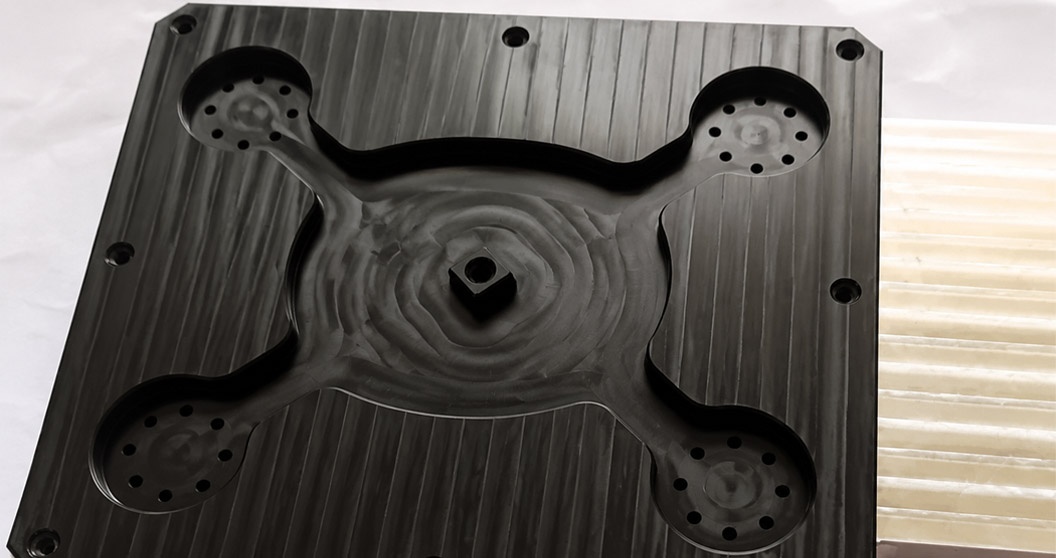
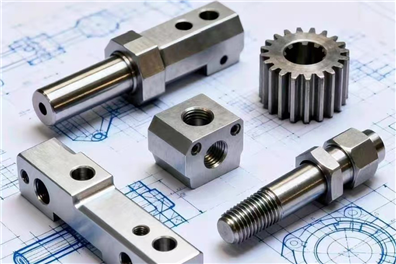
CNC machining services are essential for producing critical components of heavy industrial equipment:
Large structural components
• Bottom plate and mounting bracket
• Gearbox and transmission housing
• Machine tool frame and support structure
• Crane boom and loader boom
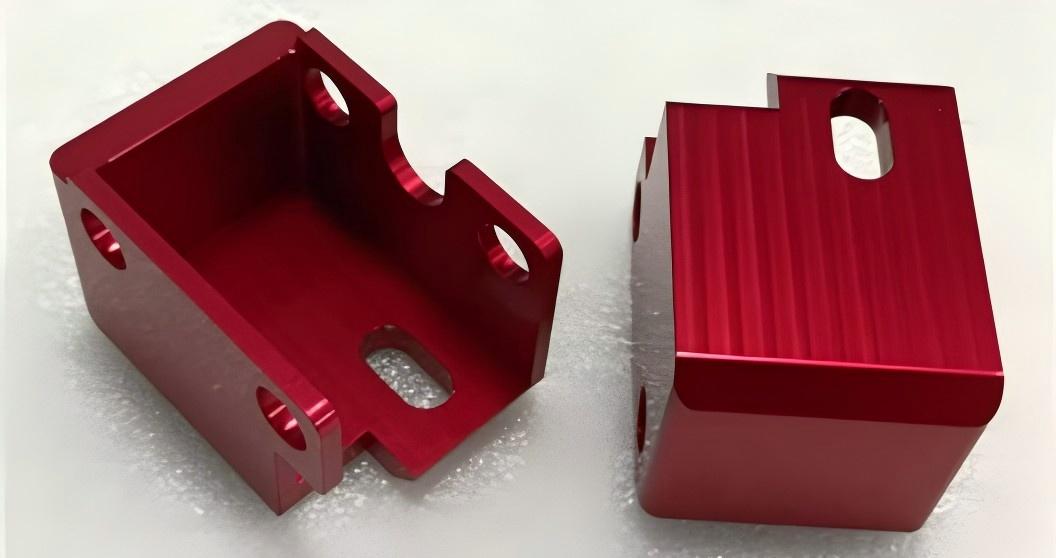
Power transmission component
• Custom gears and pinions
• Shaft and Center Shaft
• Bearing and bearing housing
• Couplings and connectors
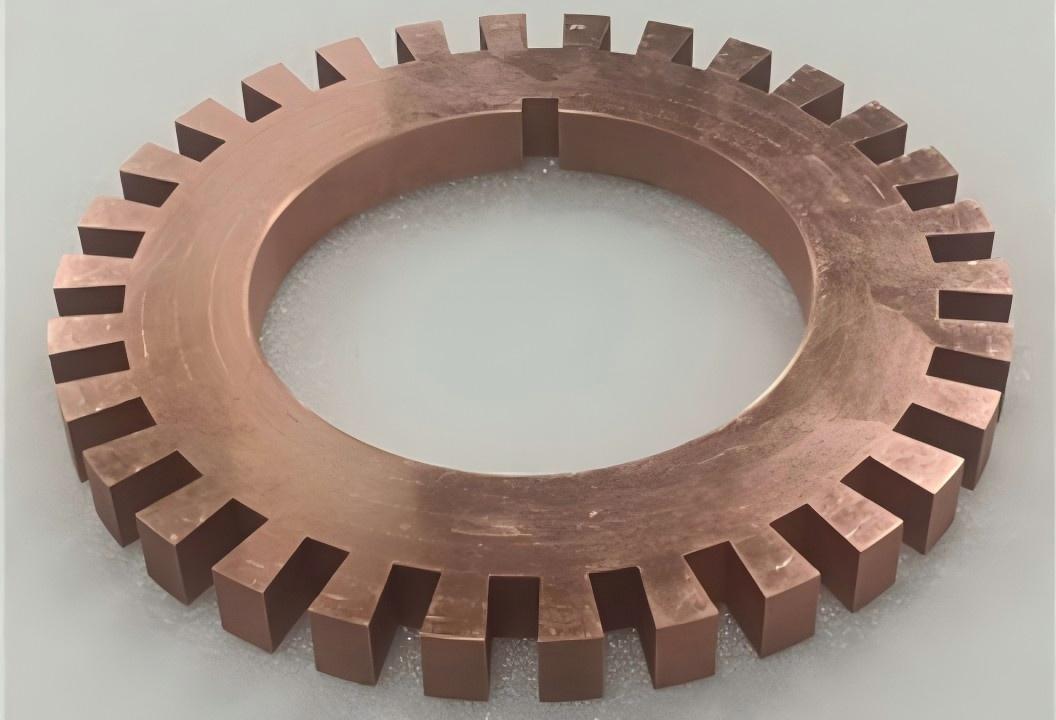
Material handling equipment
• Transportation system components
•斗斗 and funnel components
• Pulley and belt pulley assembly
• Lifting and winch assembly
Hydraulic and Pneumatic Systems
• Hydraulic cylinder and piston rod
• Valve body and manifold
• Pump impeller and casing
• Joint adapter and quick-connect coupler
3. Material Selection for Heavy-Duty Industrial Components
Carbon steel and alloy steel
Steel Type | Common grades | apply | Key Characteristics |
carbon steel | 1018,1045,4140 | Axles, gears, structural components | high strength |
alloy steel | 4340,8620,9310 | Overload gear, shaft | Enhance resilience |
tool steel | D2,A2,O1,H13 | Molds and Cutting Tools | Extremely high hardness |
mild steel | 1018,A36 | Bottom plate, bracket | Excellent workability |
Stainless steel (for corrosive environments)
• 304/316 stainless steel: Suitable for food processing and chemical treatment
• 410 stainless steel: valve assemblies, pump components
• 17-4 PH: High-strength corrosion-resistant application
wear resistant material
• Hardox/Raex: Wear-resistant steel plate
• AR400/AR500: Impact-resistant and wear-resistant
• Manganese steel: Self-hardening, suitable for impact wear
4. CNC Machining Process for Industrial Machinery
From design to finished product
1. Engineering Review and DFM
• Material Selection Recommendations
• Tolerance optimization to save costs
• Assembly and Installation Considerations
• Surface finish specification
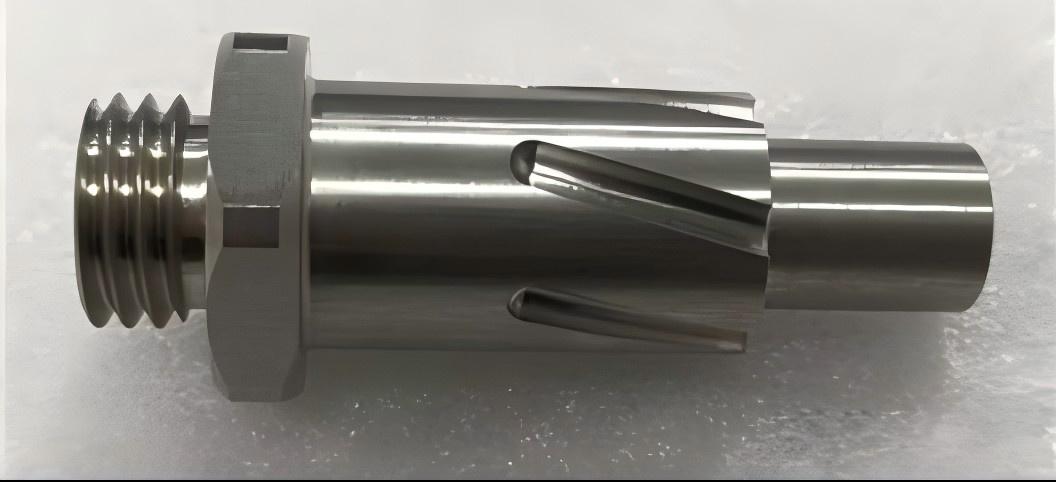
2. Precision Manufacturing
• Large CNC milling machine: Capable of machining ultra-large parts measuring several meters in size
• Heavy-duty CNC lathe: Used for shafts and rotating parts
• Multi-axis machining center: Used for complex geometric shapes
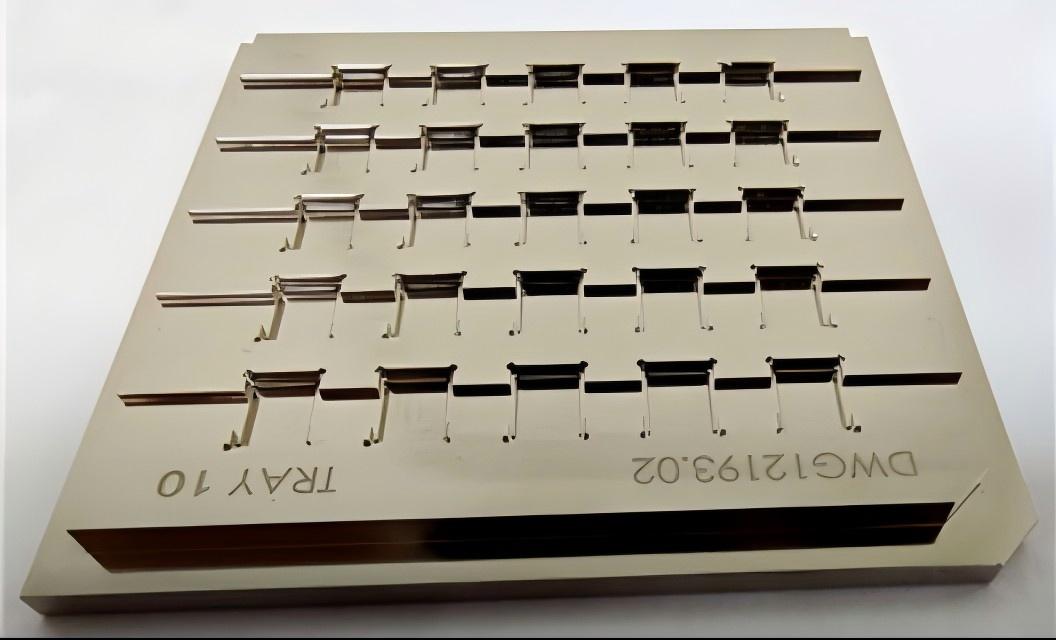
• Wire-cutting EDM: Used for precise cutting of hardened materials
3. Secondary processing
• Heat treatment to enhance hardness and strength
• Planar grinding to achieve precision tolerances
• Abrasive and honing are used for hydraulic cylinders
• Roll-recess threads enhance thread strength
5. Quality Standards for Industrial CNC Parts
Certifications requiring attention
• ISO 9001:2015: Systematic Quality Process
• AS9100: Aerospace Applications
• IATF 16949: Automotive Supply Chain
• API Standard: Petroleum and Natural Gas Industry
6. How to Choose the Right CNC Processing Partner
Competency Assessment
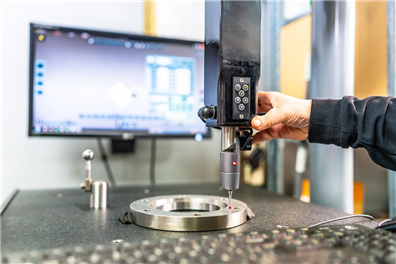
• Maximum part dimensions and tolerance capacity
• Device inventory and availability
• productive power
• Heat treatment and surface treatment capabilities
7. Conclusion
Industrial machinery requires CNC machining that prioritizes durability, reliability, and performance over cost savings. By collaborating with experienced professionals who understand the demands of heavy industry, you can ensure the equipment operates reliably, efficiently, and safely for many years to come.
Are you ready to purchase your industrial machinery parts?
Alcro specializes in precision CNC machining for industrial machinery, offering:
• Capability to process large components with dimensions reaching several meters
• Extensive material selection, including special steels and alloys
• Heat Treatment and Surface Treatment Partner
• Quality management certified under ISO 9001:2015
• Complete document, including material certificates and inspection reports
Contact us immediately to discuss your CNC machining requirements for industrial machinery.
Email: sophia@alcrocn.com
Tel: +86 15338350382
Website: https://www.alcrocn.com/en/contact
Frequently Asked Questions
Question: What size parts can industrial CNC machining services handle?
Answer: Alcro can process components measuring several meters in length and weighing hundreds of kilograms.
Question: What tolerance levels can be achieved in CNC machining of industrial components?
Answer: The standard tolerance is typically ±0.05 mm, while for high precision applications, it can be reduced to ±0.01 mm or even tighter.
Question: What is the optimal material for wear-resistant industrial components?
Answer: The options include hardened steel (4140, D2), wear-resistant alloy (Hardox), and surface treatments.
Question: How to ensure that industrial components undergo proper heat treatment?
Answer: Select suppliers with established heat treatment partnerships. Request material certificates.
Question: What documentation is required for industrial CNC parts?
Answer: Essential documents include material certificates, dimensional inspection reports, and surface finish verification reports.



 sophia@alcrocn.com
 +86 15338350382
 6th North Street, Xiagang Community, Chang'an Town, Dongguan City, Guangdong Province, China.
